
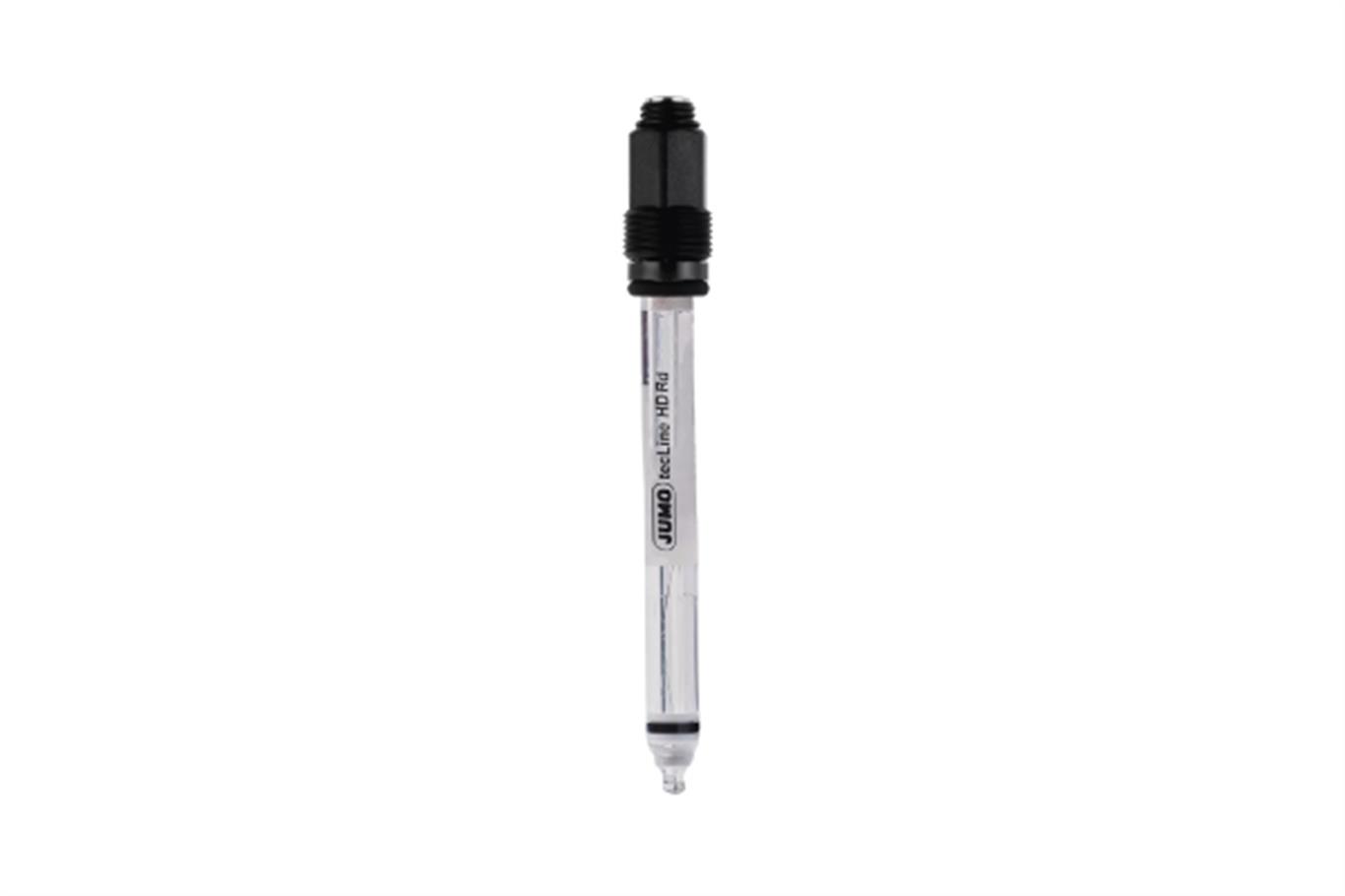
JUMO tecLine HD 201026
Redox combination electrodes
The electrode acquires the redox potential of water and aqueous-based media. A robust industrial electrode for the most demanding applications with increased dirt and poison load as well as oil-containing media.
 |
 |
 |
|
Dirt-repelling
PTFE diaphragm |
Low diffusion
potentials |
Double chamber
version |
GENERAL TECHNICAL DATA |
| Active part | Platinum or gold tip (± 1500 mV) |
| Diaphragm | Ceramic diaphragm, glass fiber diaphragm, PTFE ring diaphragm, annular gap or hole diaphragm |
| Features | For industrial applications, also available in heavy-duty and hygienic version for demanding processes; integrated temperature sensor (optional for pH electrode) |
| Electrode head | Plug head; plug head with fixed cable; screw head Pg13.5; screw head Pg13.5 with fixed cable |
| Temperature range | -10 to +135 °C |
| Pressure range | 0 to 13 bar |
| Areas of application | Process measurement, high temperature applications, suspensions, galvanic, coatings, wastewater, ultra-pure water, water, always contaminated media, hygienic and sterile applications, boiler feed water |
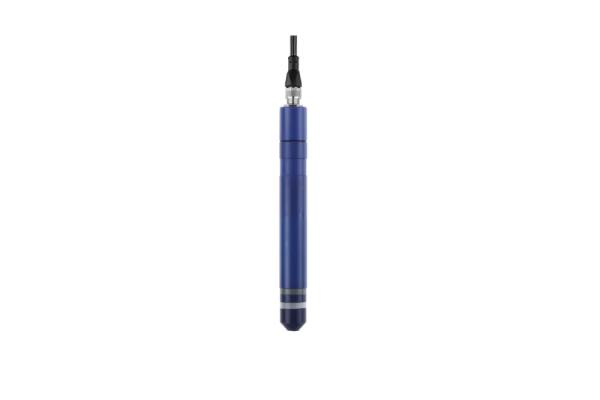
Sensor for free chlorine
These membrane-covered amperometric sensors are used to measure the concentration of free chlorine (e.g. in drinking water, swimming pool water, industrial water, process water, and cooling water). The sensors can be connected directly to a suitable indicating and control device.
 |
 |
 |
|
Easy calibration
|
Two-electrode/three-electrode
principle |
Integrated
temperature compensation |
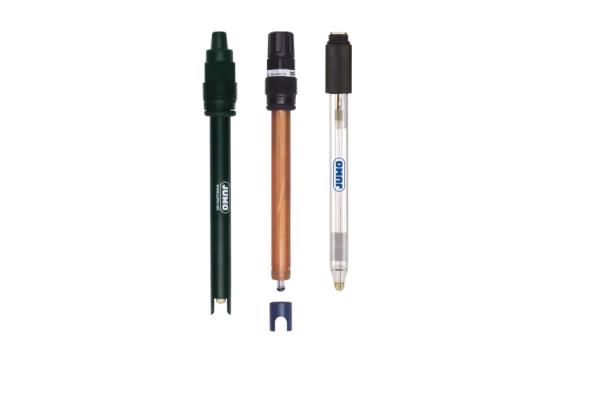
pH combination electrode with glass or plastic shaft
The electrode acquires the pH value of water and aqueous-based media. It is used, among other places, in swimming pools, aquaristics for monitoring and treating drinking water, and in greenhouse technology.
|
 |
 |
|
Low-resistance
UW glass |
Quick measurement
results |
Low investment
costs |
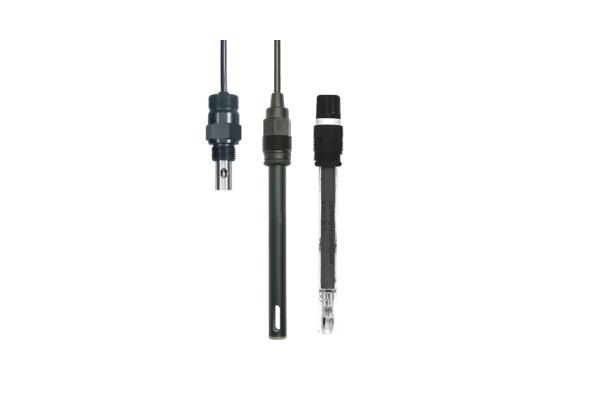
Conductive two-electrode conductivity sensor
The product is available in versions GT, EC, and GS. A special graphite is used in the GT version for water treatment. The main features of the stainless steel EC version are its very compact design type and the integrated Pt100 as a standard feature.
 |
 |
|
|
Robust design
|
Can be used for
various applications |
Minimum investment
costs |