
CANTY
Canty cameras – high-resolution process monitoring for safer and more efficient industrial production.
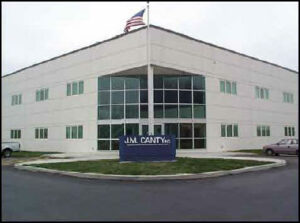
CANTY is an outgrowth of the consulting practice of John M. Canty, P.E. in designing a very deep high pressure Diving Research Facility, capable of simulating ocean depths of over a mile, he found that no lighting components were available which would withstand the required pressure of 2500 PSI. It was, therefore, necessary to develop a light that would permit illuminating the chamber at these unusual conditions. Since this vessel (now installed in the high pressure laboratory of the University at Buffalo-Department of Physiology) was to be used for manned experiments, it was desirable to keep the electrical components outside. This is due to the potential fire hazard of electrical sparks in a confined environment.
Canty was incorporated in the state of New York January 1, 1977. We have continued to expand our company into different markets and products. Currently, we manufacture lighting, cameras, sight flow indicators, quick opening closures, glass to metal seals, vision-based process control, and particles sizing systems.
This product line helped us to diversify across different industries and market places. With this diversification in markets, we have retained a common manufacturing base between all of our products.
BioTech
Fermenter and Bioreactor control and accessories include the brightest light with the fused sight glass (FuseView). Cameras for Foam Detection & Level Control for complete automation and increased production.

Pharmaceutical
The safest sight glass (FuseView), and the brightest vessel lights are offered as vessel accessories. Camera imaging is used for Crystallization PSD, Nutsche Filter, Foam Detection, Centrifuge Control.

Glass Manufacturing
High temperature cameras are used in the glass industry on applications such as molten glass level, gob detection, fiber glass flow, stone & width detection, flame detection and many more.

Chemical
Ethylene tube temperature monitoring is done using the high temperature cameras. CANTY has the safest sight glass (FuseView) and brightest light for tanks in the industry

Refinery - Oil & Gas
Oil in Water and Water in Oil are primary applications. Fuel and Lube Oil quality are easily analyzed using the Inflow. Interface & Phase separation in tank farms.

E & P - Oil & Gas
Applications include Oil in Water(PPM / TSS / PSD) & BS&W(PPM / TSS / PSD).

Drilling - Oil & Gas
Lab and Inline concentration & PSD measurement of Drilling Mud. Mud Flow Rate to replace the paddle and Shaker Screen Control are other vision based applications.

Food & Beverage
Spray dryer monitoring, particle sizing systems, vessel cameras and level, tank lights & sight glasses, along with defect detection are CANTY applications that are used throughout the industry.

Metal Production
Molten level, slag monitoring, rebar length and cobble detection among others are processes controlled in the metal industry by cameras. Particle size of powder metals by the SolidSizer replaces the need for sieving.

Wastewater
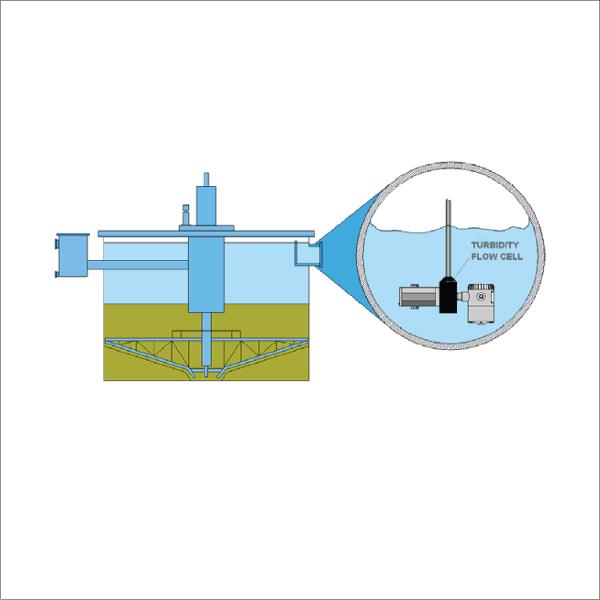
Digester control of foaming is one of the most critical applications in the wastewater industry. Applications range from, foam control, turbidity, clarifier control, and TSS. All these measurements are done using cameras with output to PLC or DCS for complete control and visual verification.

Mining & Aggregate
Cameras are used in a number of applications to optimize the production process within the Mining industry. Applications range from, tailings measurement, at-line / in-line slurry particle analysis systems, turbidity, industrial / lab solid particle sizing systems and vision based froth monitoring systems.

OTHER INDUSTRY
CANTY specializes in many applications across many industries. Please select below to see other applications that may not be listed in other industries.
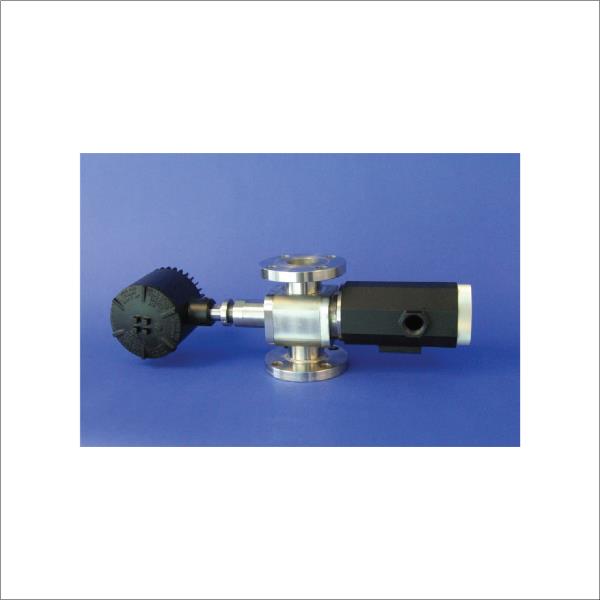
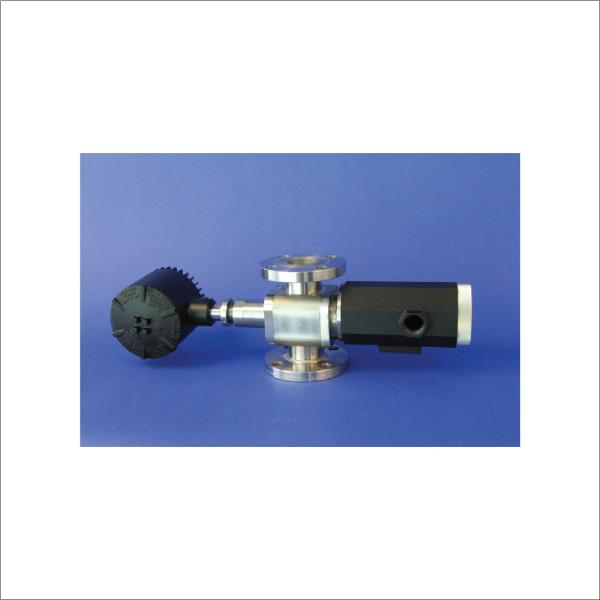
Turbidity analysis using a high resolution CCD/CMOS image sensor that detects turbidity changes in fluids by measuring the transmittance of light. Using advanced software algorithms the system automatically removes gas bubbles from the analysis resulting in highly accurate and repeatable data outputs. This system is designed for inline use with varying pressures, temperatures, and pipe diameters.

A vessel mount system can be used for real time image capture during the production of polymer beads. The captured images are analysed by CantyVision™ software, to provide a complete bead size distribution through the complete process, allowing for greater control over final product size. Applications include pentane injection and end bead size. Also see Solid Particle Sizing for dry bead sizing.
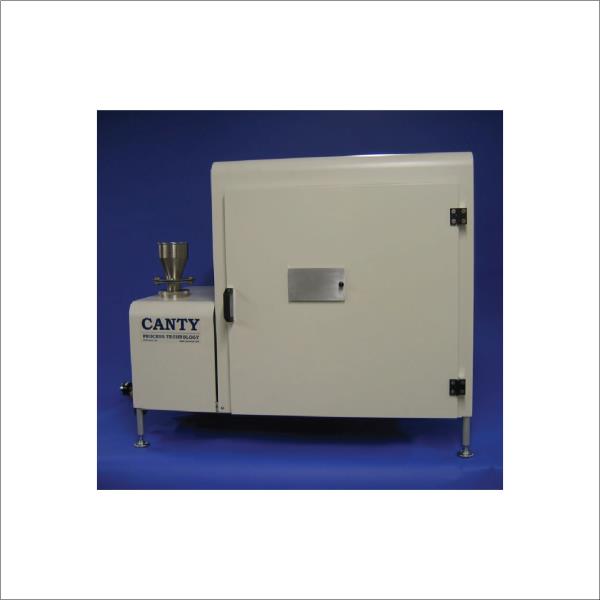
10 um – 2,400 um Particle size analysis range. This system is designed for lab use to determine color speck detection, particle size, shape and distribution for flat or needle shape particles.
Relevant ASTM standards:
D8200 Creating a Correlation to Compare Particle Size Distribution Results of Proppants by Dynamic Imaging Analyzers and Sieves.
D8392 Calibration and Verification of Direct Imaging Analyzers Used for Particle Size and Shape Analysis of Catalytic Materials.
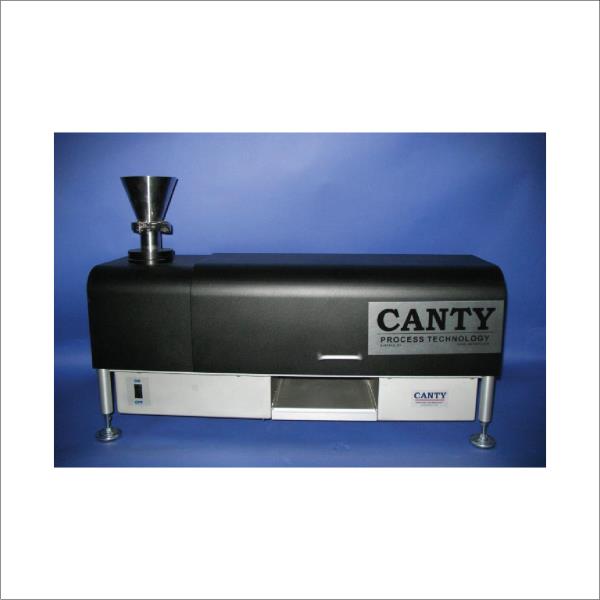
The CANTY SolidSizer™ is a vision-based sensor used with the CANTY Vector System image processor for dry particle size measurement in a laboratory environment.
The CantyVision™ Software accurately measures multiple aspects of the particles from area / perimeter / minor and major axis / etc. In comparison to a sieve which measures only minor axis the CantyVision™ software can correlate directly to a sieve so the customer does not have to change any QC documents. The SolidSizer™ can correlate within 2% of a sieve.
A typical sieve analysis takes anywhere from 20-30 minutes including cleaning and setup for a 70-100 gram sample. On the SolidSizer™ that same sample takes less than 2 minutes. Also multiple screen distributions can be setup to accommodate multiple customers or areas in the process, hence eliminating the need for multiple runs on the same sand for different size distributions.
After correlating to current methods of minor axis, customers find benefit in comparing minor axis to major axis and comparing shape factors. Reduce lab time and make sure production samples are not skipped over due to lack of sample time available!
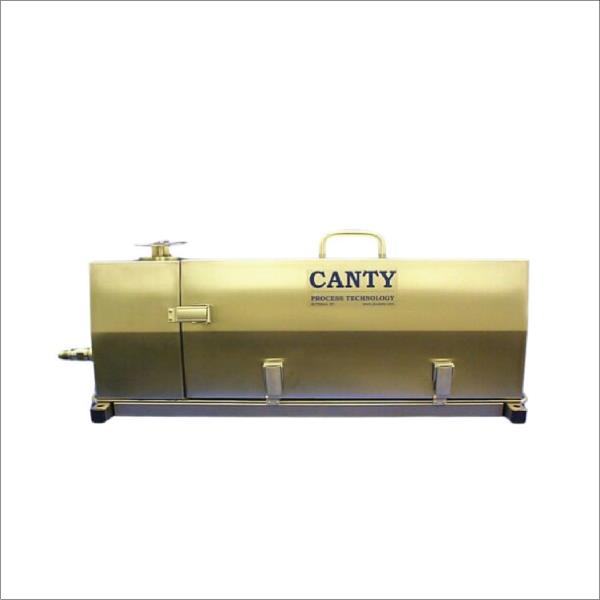
50 um – 2,400 um Particle size analysis range. This system is designed for on-line use to determine particle size, shape and distribution, thereby eliminating the need for sieve analysis.
Related ASTM Standards:
• D8200 – Standard Practice for Creating a Correlation to Compare Particle Size Distribution Results of Proppants by Dynamic Imaging Analysis and Sieves. (D18.26)
• D8392 – Standard Practice for Calibration and Verification of Direct Imaging Analyzers Used for Particle Size and Shape Analysis of Catalytic Materials (D32.02)
• E2589 – Terminology Relating to Non-Sieving Methods of Powder Characterization. (E29.02)
Related ISO Standards:
• 9276-6 Representation of results of particle size analysis – Part 6: Descriptive and quantitative representation of particle shape and morphology.
Canty participates in the referenced ASTM subcommittees (D18.26, D32.02 and E29.02) in order to develop useful standards for imaging analyzers. Although the referenced standards are often particular to a type of particle, they can be generalized for use with many types of particles.
ISO9276-6 is widely used to describe shape parameters and provide corresponding formulae for calculation of values.
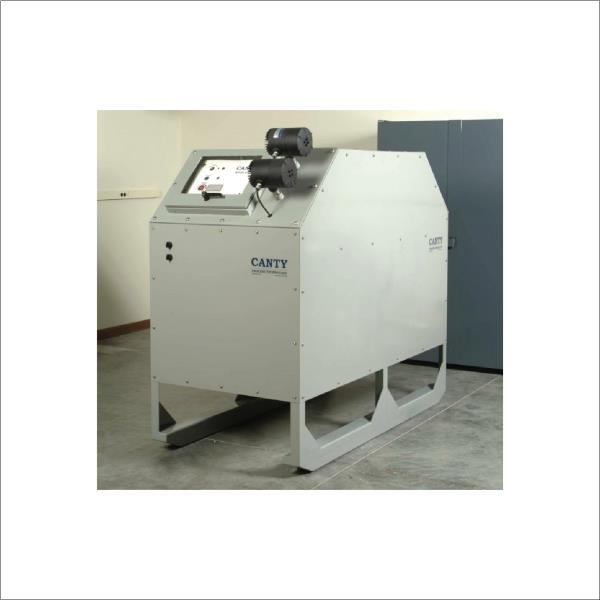
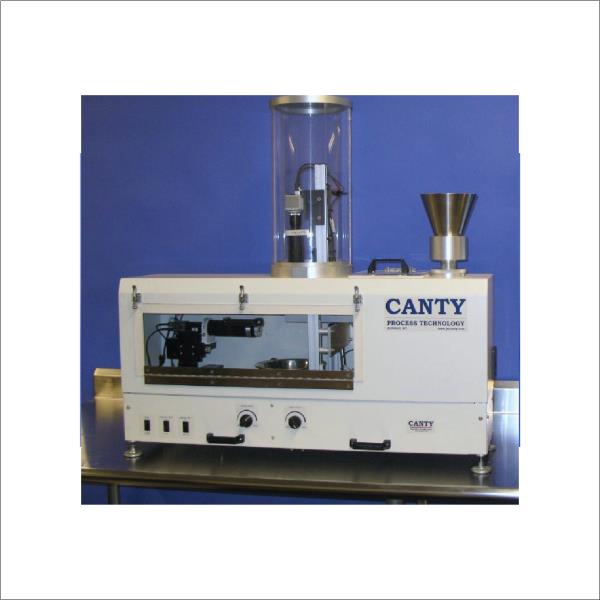
10 um – 2,400 um Particle size analysis range. Finished sugar product is subjected to a series of quality control tests in order to determine if the sugar crystals are the correct size and shape, and also that the concentration of black specks / burned sugar crystals is within specification.
CANTY’S range of image based particle analysis systems provide true size and shape characterization, with each particle measured under 13 size and shape parameters. CANTY’S imaging systems also offer the option of Black Speck detection within the sugar sample.
The systems can be run at line through the use of a sweep sampler, or offline as laboratory instruments. This system provides direct correlation to traditional sieve analysis, but does so in a much shorter analysis time, with much less operator input required.
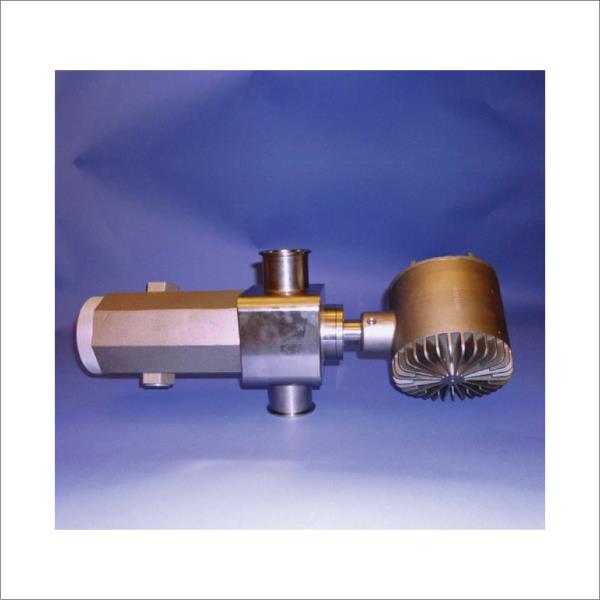
Percent Solids measurement is typically a ratio of the area of solid particles vs the background. As solid percentages increase this can also be done by comparing the ratio of light through an empty cell vs light through a cell with solid content.
The analysis is frame by frame at a rate in excess of 30 frames per second, so data can be supplied in very short time intervals (seconds) and produce a steady trend line of percent solids readings vs time.
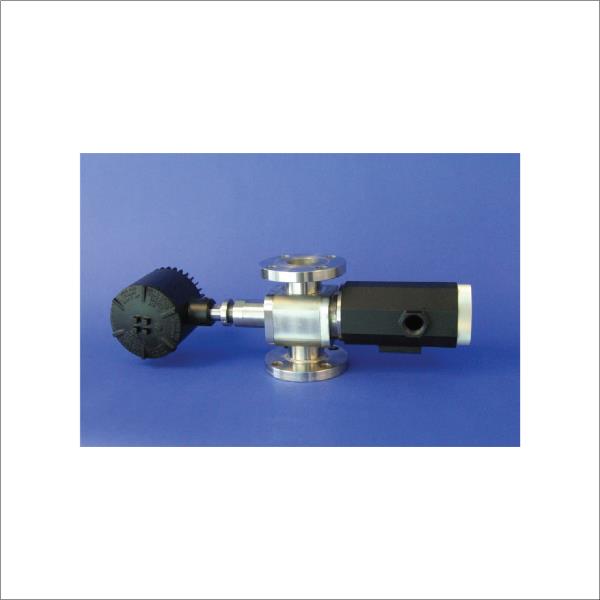
Canty InFlow technology images the fluid to capture color and particle size, shape and distribution if desired. Systems have a fused glass-to-metal, smooth interface with the process which enables use in high temperature and pressure environments, and minimizes maintenance of the interface in extreme environments.
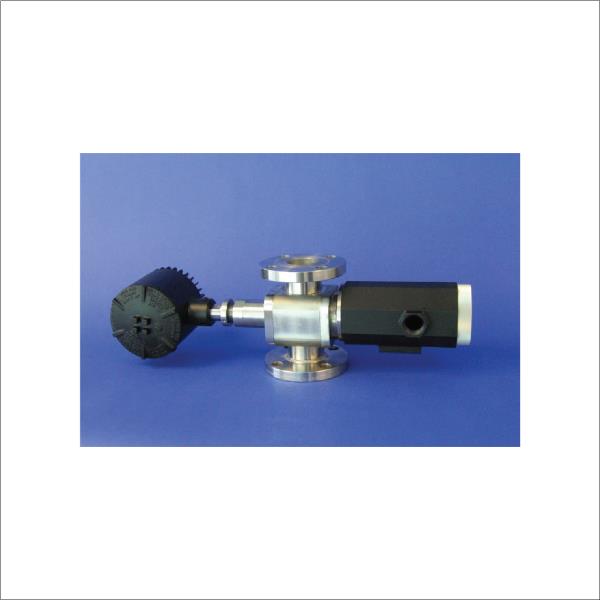
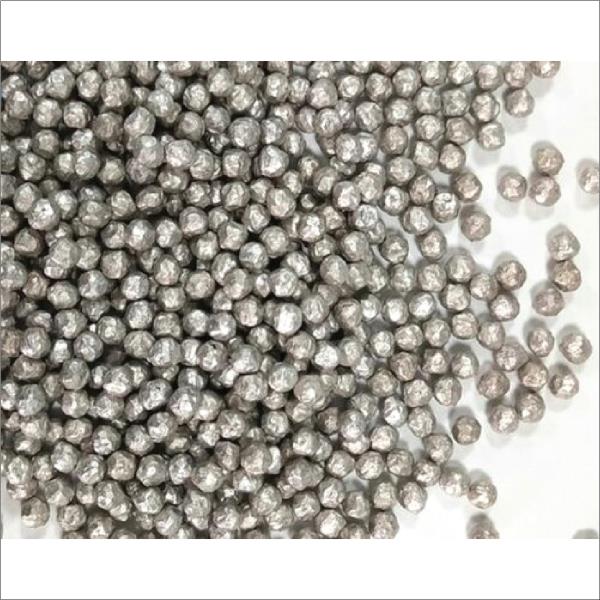
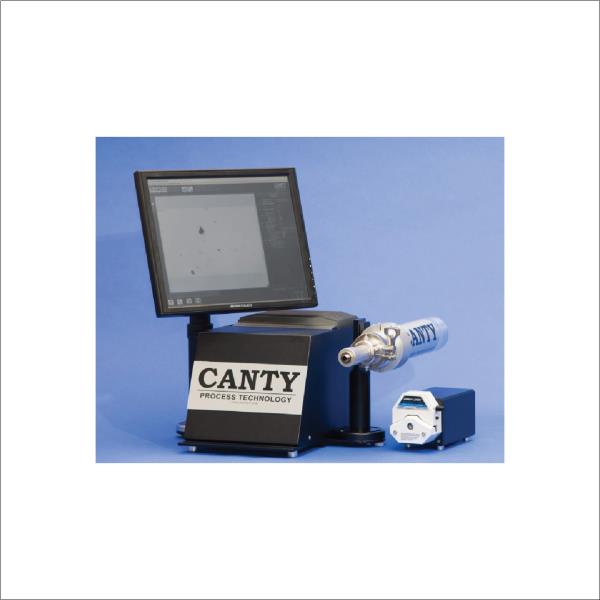
Particles in lubricating and hydraulic oils are detrimental as they increase wear, clog filters, and accelerate oil degradation. Particle analysis assesses the capability of an online filtration system to clean the oil, and determines if off-line re-circulation filtration is required to clean the fluid, or whether a complete fluid change out is necessary. A high level of wear particles within the fluid is indicative of an impending component failure. Predictive maintenance by periodic lubrication oil analysis can be used to predict and prevent such failures.
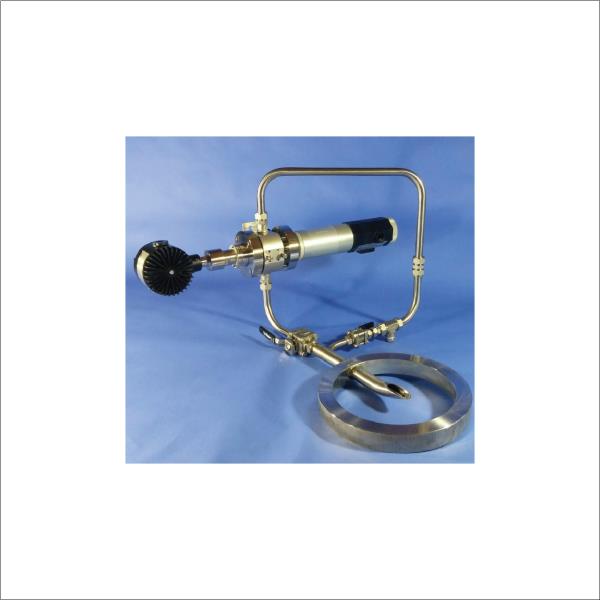
The SHORT LOOP SAMPLER™ Oil In Water Analyzer / Water In Oil Analyzer combining sampling point and the INFLOW™ Process Particle Analyzer, provides real time concentration and particle size analysis. The SHORT LOOP SAMPLER™ allows operators and skid manufacturers to test multiple point in their line using only one analyzer and verify the results by using the sample point to verify reading in the lab. Models measure 0.7 micron – 20,000 micron particles under process conditions. By continuously measuring the product OIL, WATER, SAND, and GAS the OiW / WiO concentration and size is output 30 frames a second. This allows the user to see the impact of any change to the refining or drilling system. By using a vision based system CANTY can easily detect all phases and separate them to give PPM/PPB distribution as well as SIZE distribution of all particulates. The system is designed to continuously sample from the center of the process stream and input the entire sample back into the stream so there is no loss of product when analyzing for concentration or particle size.
Min Fluid Velocity: 3 ft/s (If lower consult factory)
Max Fluid Velocity: 15 ft/s
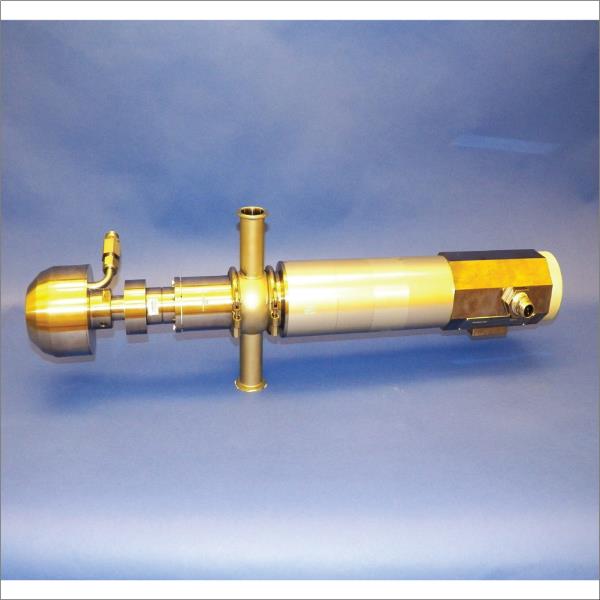
Turbidity analysis using a high resolution CCD/CMOS image sensor that detects turbidity changes in fluids by measuring the transmittance of light. Using advanced software algorithms the system automatically removes gas bubbles from the analysis resulting in highly accurate and repeatable data outputs. This system is designed for inline use with varying pressures, temperatures, and pipe diameters.
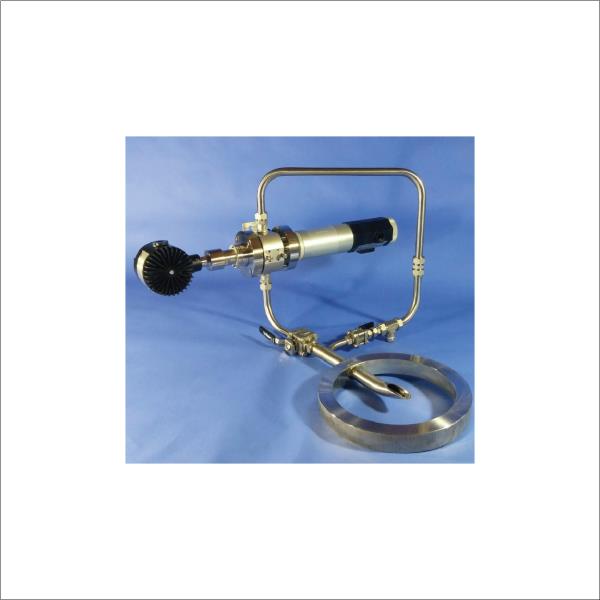
The SHORT LOOP SAMPLER™ JET FUEL Analyzer combining sampling point and the INFLOW™ Process Particle Analyzer, provides real time concentration and particle size analysis. The SHORT LOOP SAMPLER™ allows operators and skid manufacturers to test multiple point in their line using only one analyzer and verify the results by using the sample point to verify reading in the lab. Models measure 0.7 micron – 20,000 micron particles under process conditions. By continuously measuring the fuel (WATER / SOLIDS / GAS) independently concentration and size is output 30 frames a second. This allows the user to see the impact of any change to the process system. By using a vision based system CANTY can easily detect all phases and separate them to give PPM/PPB distribution as well as SIZE distribution of all particulates. The system is designed to continuously sample from the center of the process stream and input the entire sample back into the stream so there is no loss of product when analyzing for concentration or particle size.
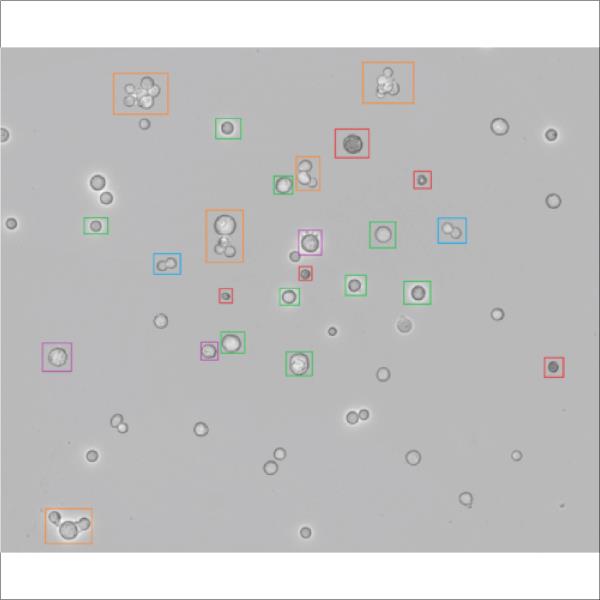
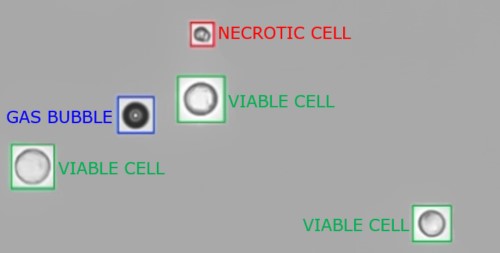
The Cell Analysis system is able to determine the condition of a cell by its appearance. This enables real time analysis without having to employ additive reagents. The results are comparable to Trypan Blue assays. See detailed information in the Data Sheet, Application Brochure and presentations in the Product Documents tab below.
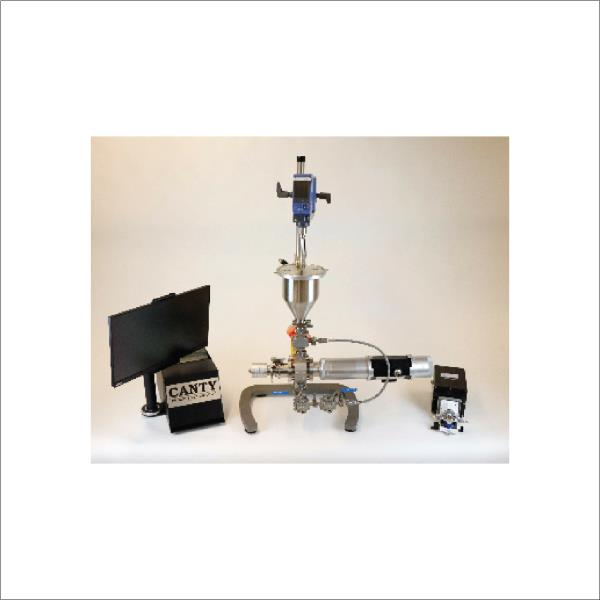
In addition to analysis of particle size and shape, the Canty Dilution system does not require a defined dilution to function properly as do laser systems. The software controls the dilution and provides sufficient, minimum diluent volume based on particle density per image. This avoids error due to touching particles. There are no counter effects for excess dilution.
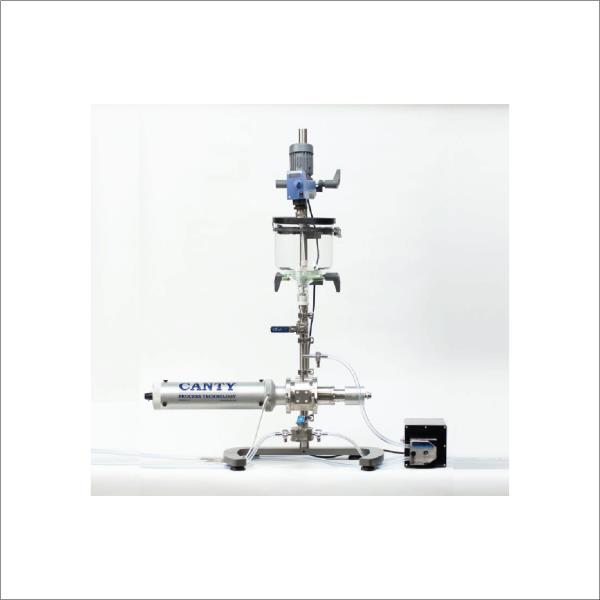
Relevant ASTM standards:
Analysis per ASTM Test Method D8090 for Particle Size Distribution and Shape Analysis of Paints and Pigments Using Dynamic Imaging Methods.
This unit covers the determination of particle size distribution and particle shape of paints and pigments by dynamic imaging methods. This method includes the reporting of particles 1 um in size and up to 300 um in size. Used by formulators and QC people in the dispersion of paint and pigments.
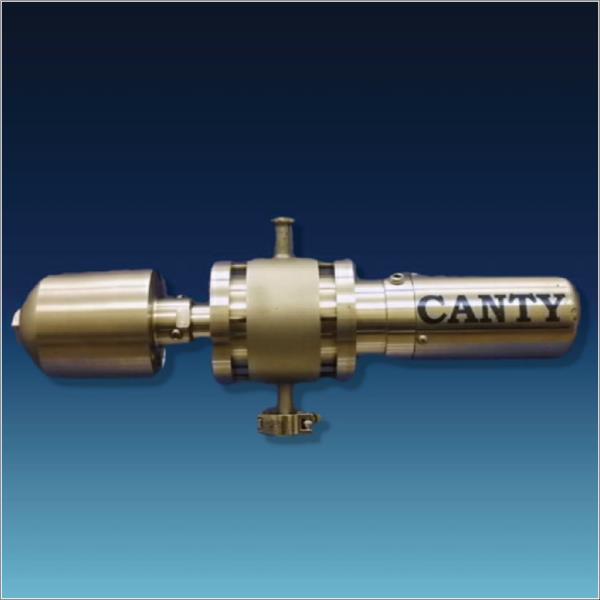
The PharmaFlow™ is designed to be installed in-line to monitor WFI so the manufacture can have longer run times and can verify constant compliance with the USP. CANTY can output the particle concentration continuously so that if an upset does occur the operators are aware of it and take samples to the lab for further testing. What’s more, CANTY’s unique vision based system allows for differentiation between particles and gas bubbles.
Visual verification is provided and 4-20mA signals or OPC can be used to alarm to an upset condition.
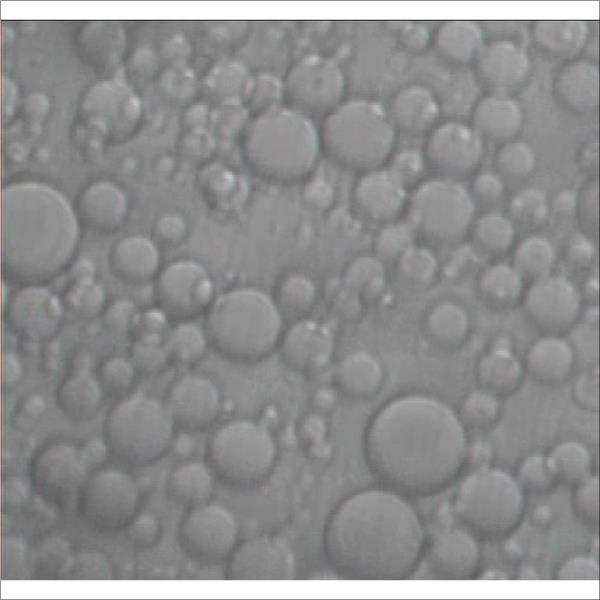
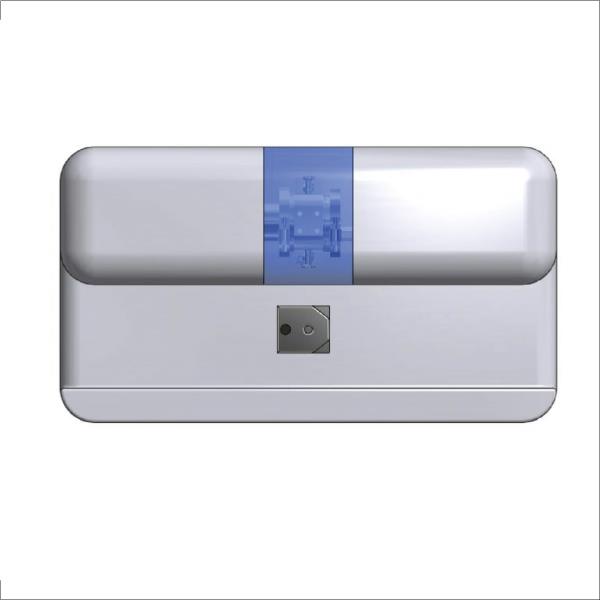
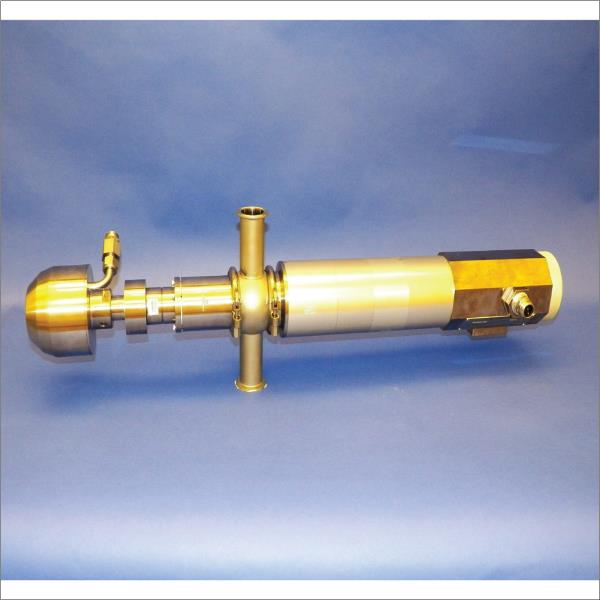
Liquid analysis using a high resolution CCD/CMOS image sensor that detects turbidity changes in fluids by measuring the transmittance of light. Using advanced software algorithms the system automatically removes gas bubbles from the analysis resulting in highly accurate and repeatable data outputs. This system is designed for inline use with varying pressures, temperatures, and pipe diameters.
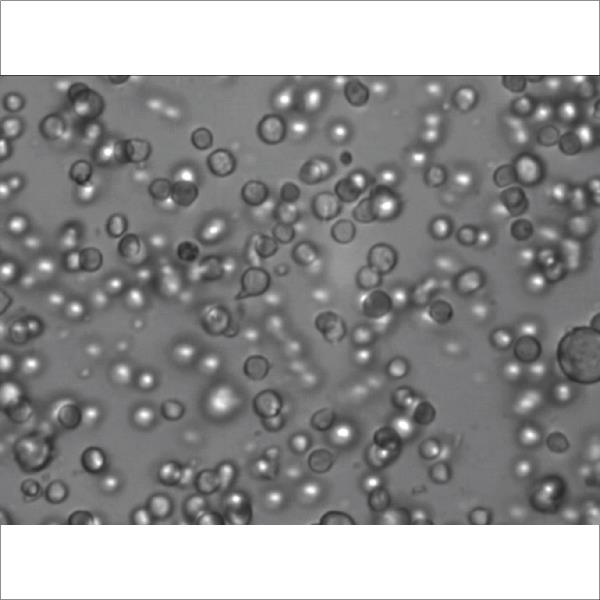
CANTY imaging systems have been involved in the control to improve yield of fermentation for several years. Measurement of cell size, concentration and viability in real time in batch and perfusion type fermentation is critical to the process yield.
The measurement of foam allows operators independent control of anti-foam additions. The measurement of cell size, count, viability and concentration in the lab or at-line is accomplished by our imaging based system which can distinguish a cell form a gas bubbles and other trace particles.
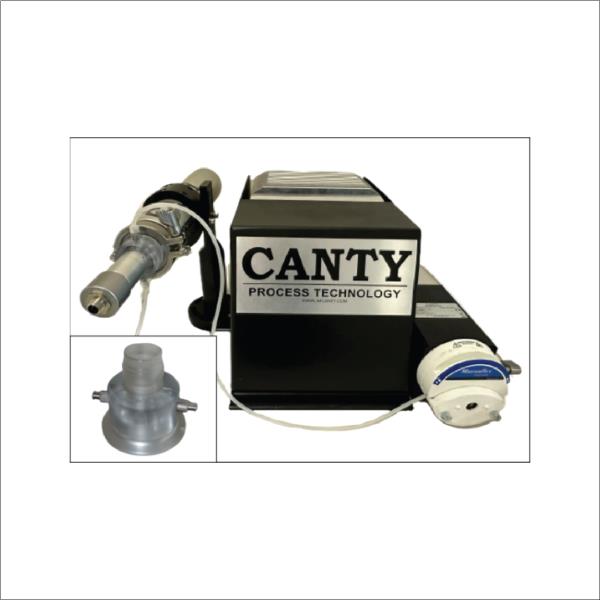
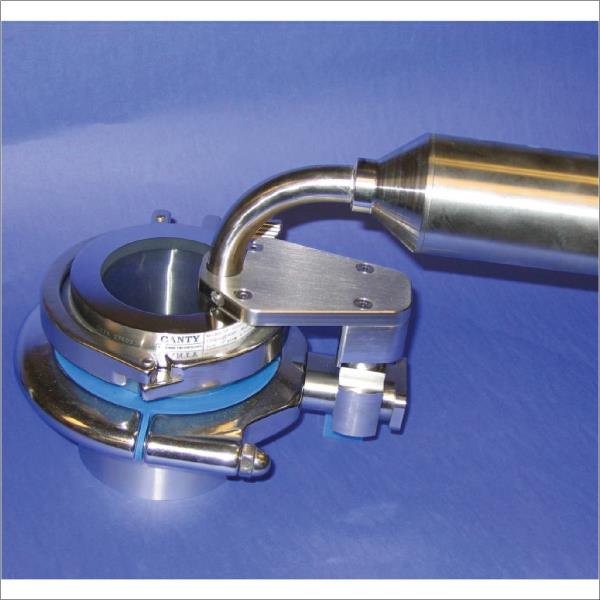
Need more nozzle space on your vessel??? The Canty Triport™ fiber optic cold lighting system has been designed to provide efficient, high output light in a cost effective package by combining vessel viewing with an easy access port.
We use only high quality fiber optic light bundles to guide the light from our light source through the sanitary sight glass connection.
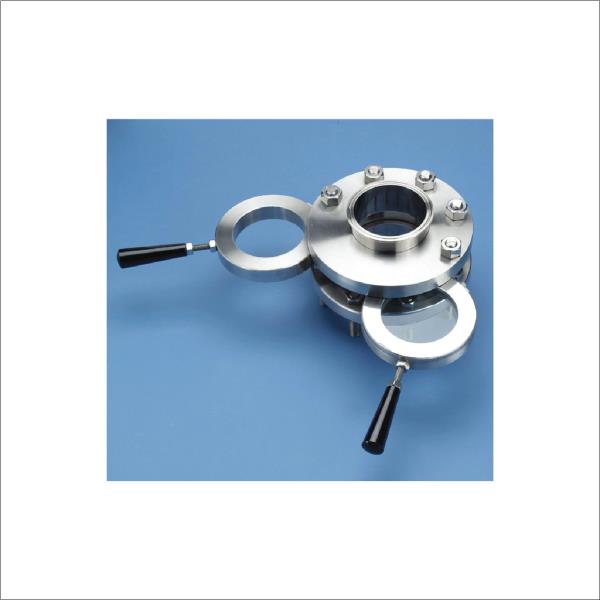
The Canty QuickPort™ is a patented, safe, quick opening closure for process vessels. Originally used in the offshore diving industry as a transfer lock on decompression chambers. QuickPorts™ are used with no additional interlock by various non-industrial personnel in applications where any operational failure would be fatal.
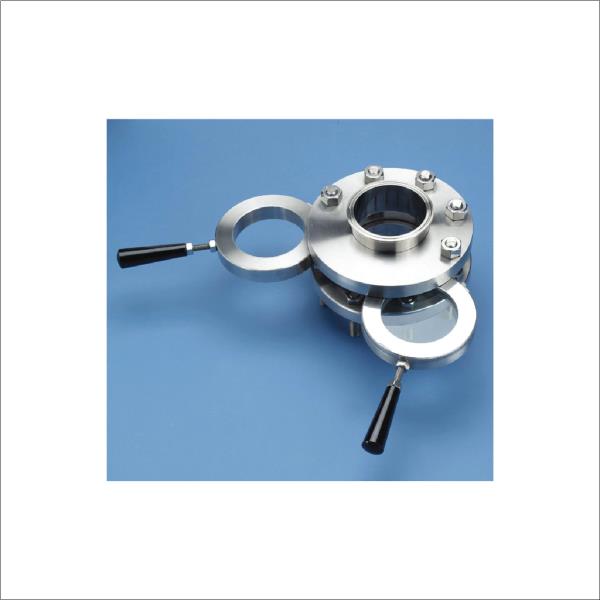
The Canty QuickPort™ is a patented, safe, quick opening closure for process vessels. Originally used in the offshore diving industry as a transfer lock on decompression chambers. QuickPorts™ are used with no additional interlock by various non-industrial personnel in applications where any operational failure would be fatal.
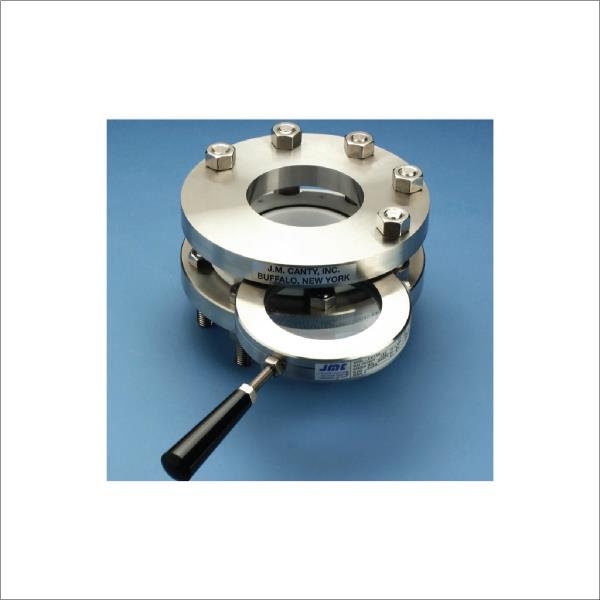
The QuickPort™ closure provides a safe, easy, fast way to gain access to a pressure or vacuum vessel. Each QuickPort™ features a sliding door or Fuseview™ that opens laterally to provide full port access. The closure consists of a pad and a retaining flange held apart by spacers, a floating seal ring, and a door or window.
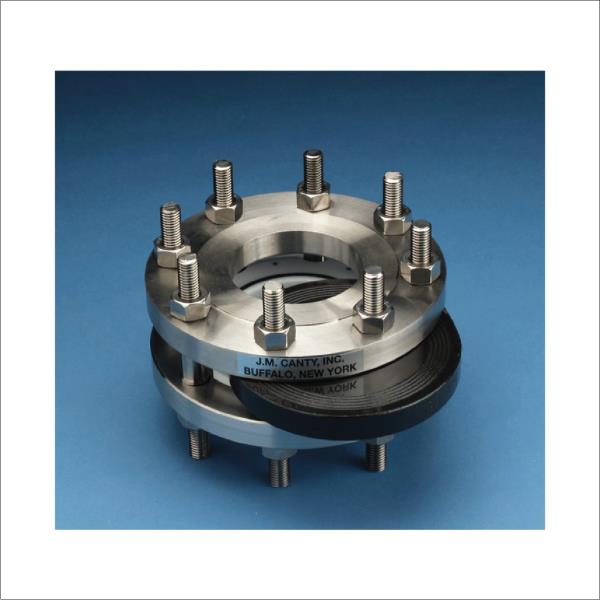
The QuickPort™ closure provides a safe, easy, fast way to gain access to a pressure or vacuum vessel. Each QuickPort™ features a sliding door or Fuseview™ that opens laterally to provide full port access. The closure consists of a pad and a retaining flange held apart by spacers, a floating seal ring, and a door or window.
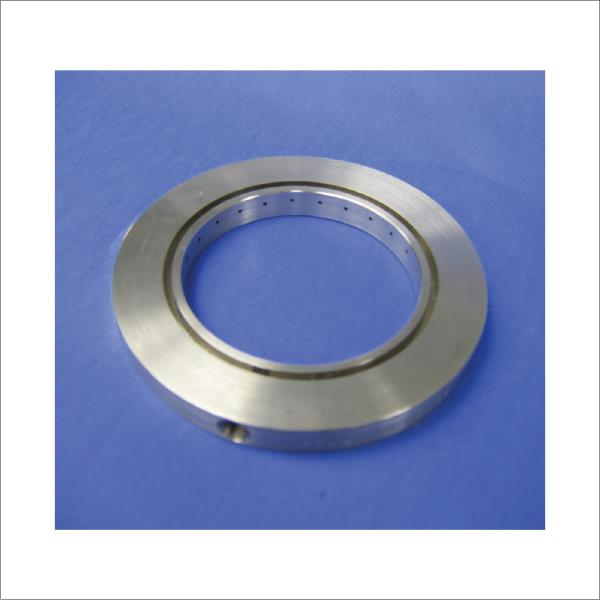
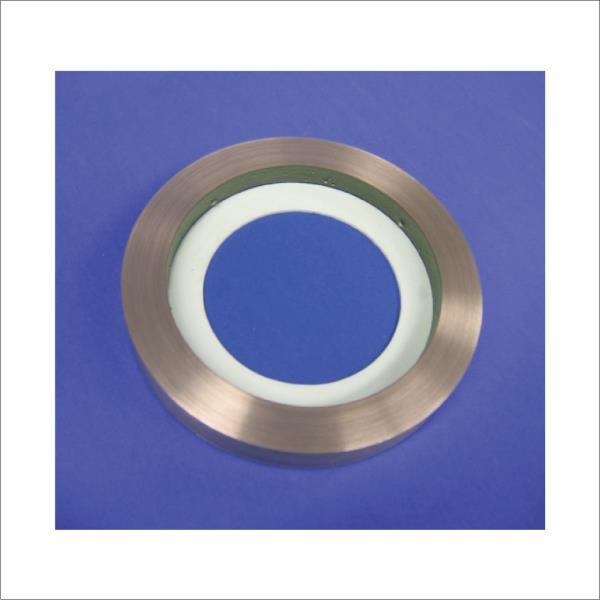
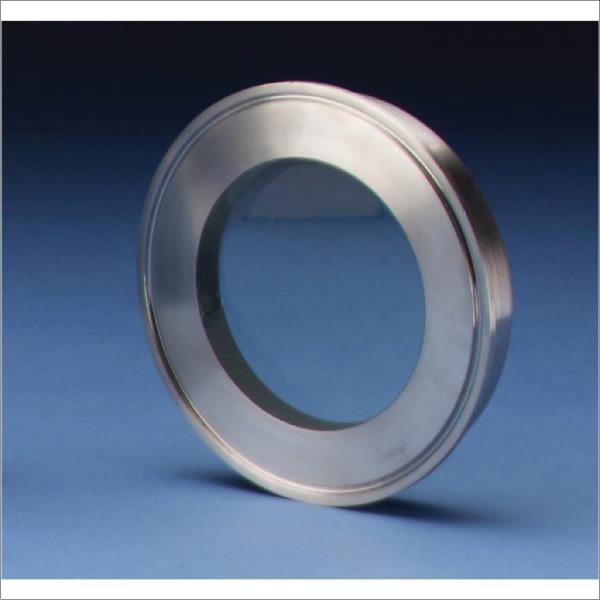
All CANTY sight glasses feature the Fuseview™ window. Our unique fused glass windows far exceed all conventional tempered glass windows in safety and performance. By fusing glass to metal, a high pressure, high safety, hermetic seal is formed.
The fused glass Technology ensures safety with every Fuseview™. What’s more, our windows can easily be removed for cleaning. CANTY windows do not have to be discarded, as do traditional tempered glass windows. CANTY fused glass windows can be re-used again and again.
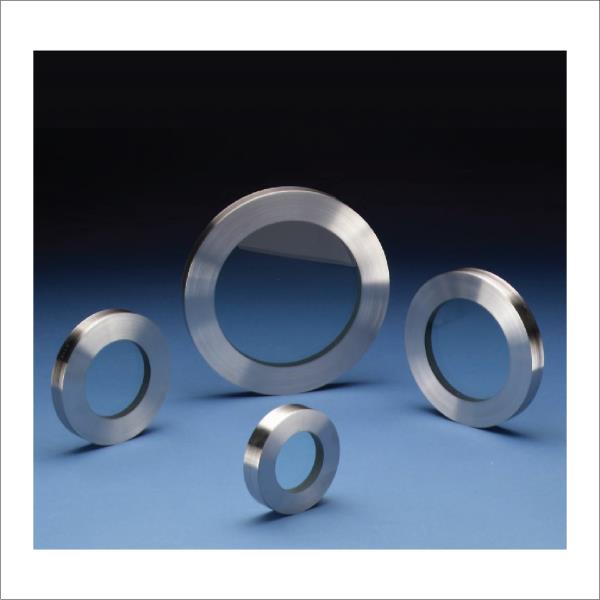
All CANTY sight glasses feature the Fuseview™ window. Our unique fused glass windows far exceed all conventional tempered glass windows in safety and performance. By fusing glass to metal, a high pressure, high safety, hermetic seal is formed. The fused glass Technology ensures safety with every Fuseview™. What’s more, our windows can easily be removed for cleaning.
CANTY windows do not have to be discarded, as do traditional tempered glass windows. CANTY fused glass windows can be re-used again and again.
CANTY FuseView™ sight glasses have been engineered to meet all your process and safety needs. All standard FuseViews™ feature Factory Mutual approval and were designed and tested to ensure the safest product available. CANTY can provide certification of material and testing if required, typical of ASME code requirements for process vessels.
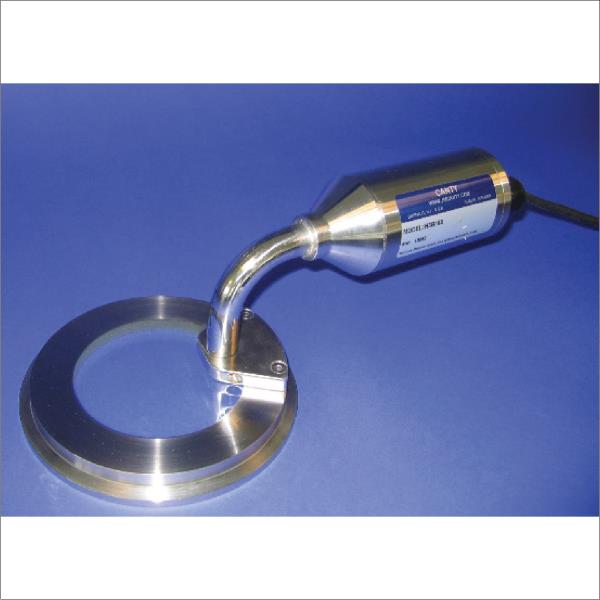
CANTY fiber optic lighting systems have been designed to provide efficient, high output LED light in a cost effective package. CANTY uses only high quality, fiber optic light pipes to guide the light from our light source through a sight glass or process connection.
The light is elliptically focused into the fiber optic light pipe and guided through the sight glass minimizing losses while maximizing your tank or vessel lighting!
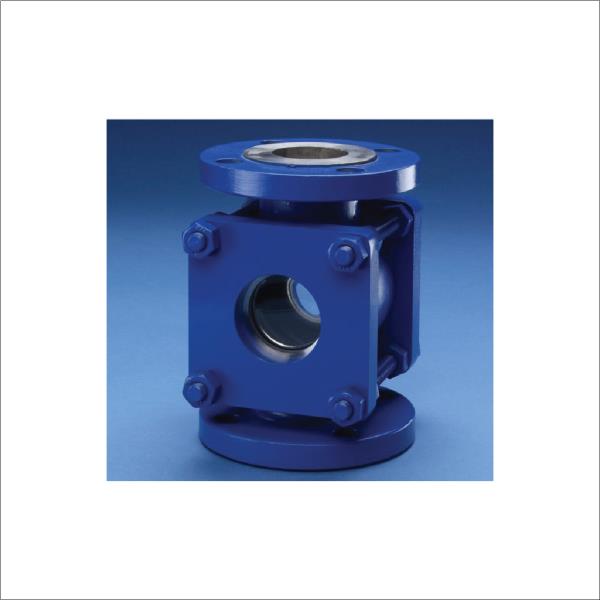
CANTY F700 series flanged sight flows have been engineered to meet all your process and piping needs. Our sight flows have been designed to meet strict ASME code requirements.
CANTY hydrotests all units to 150% of the maximum rated pressure and can provide certification of material and testing if required, typical of ASME code requirements for process vessels.
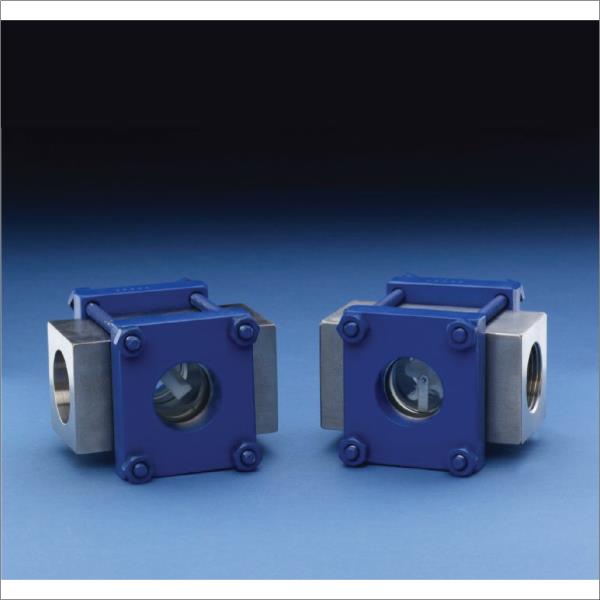
CANTY S100 series threaded/welded sight flows have been engineered to meet all your process and piping needs. Our Sight flows have been designed to meet strict ASME code requirements.
CANTY hydro-tests all units to 150% of the maximum rated pressure and can provide certification of material and testing if required, typical of ASME code requirements for process vessels.
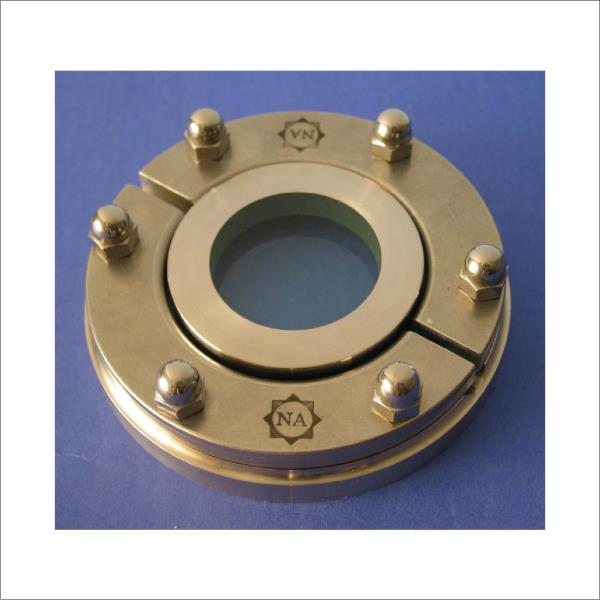
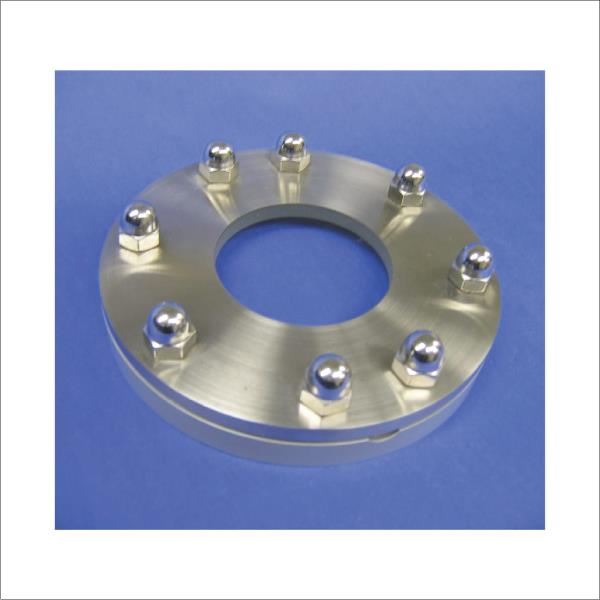
CANTY Fuseview™ sight glasses have been engineered to meet all your process and safety needs. NA-Connect® Fuseviews™ are a fused sight glass providing one-piece construction with no additional gaskets or torquing required. All standard NA-Connect® Fuseviews™ were designed and tested to ensure the safest product available.
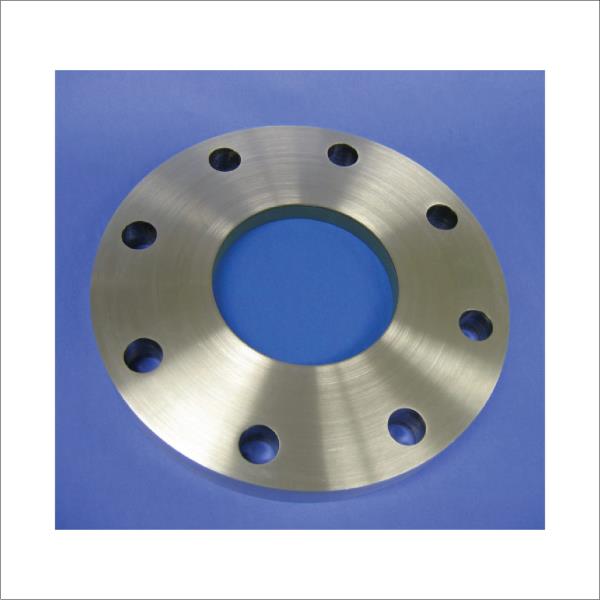
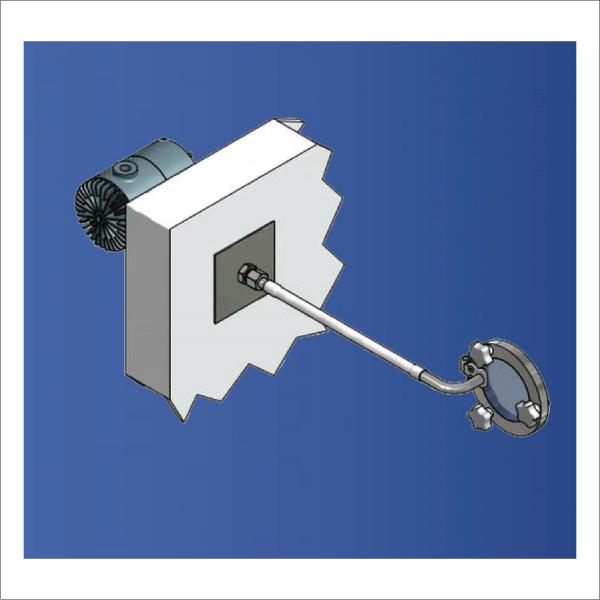
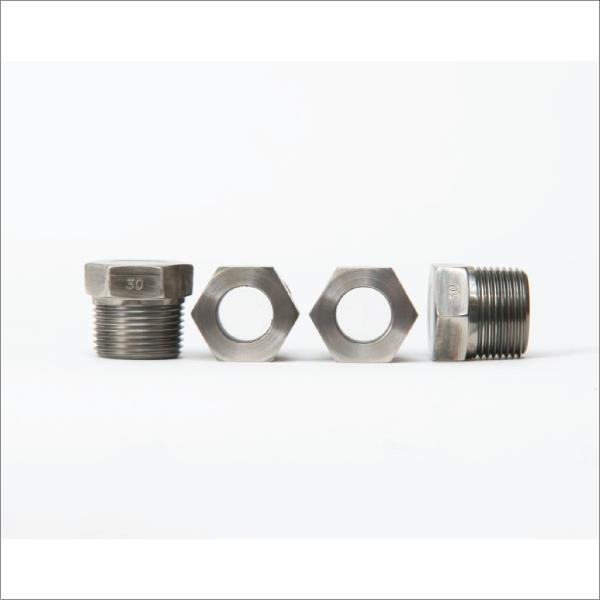
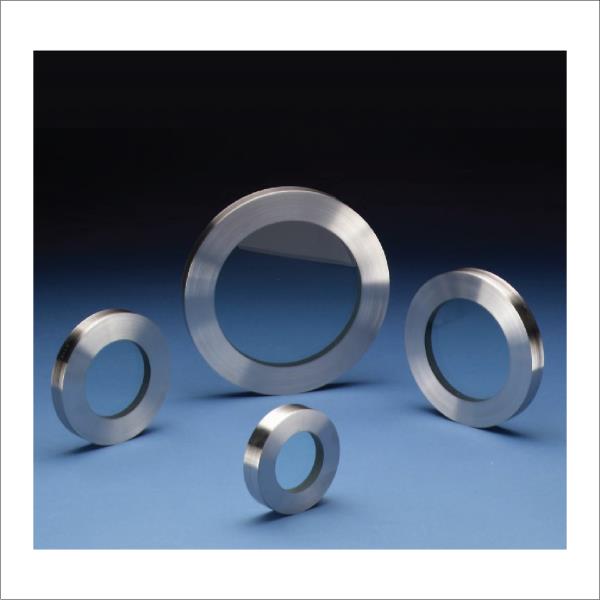
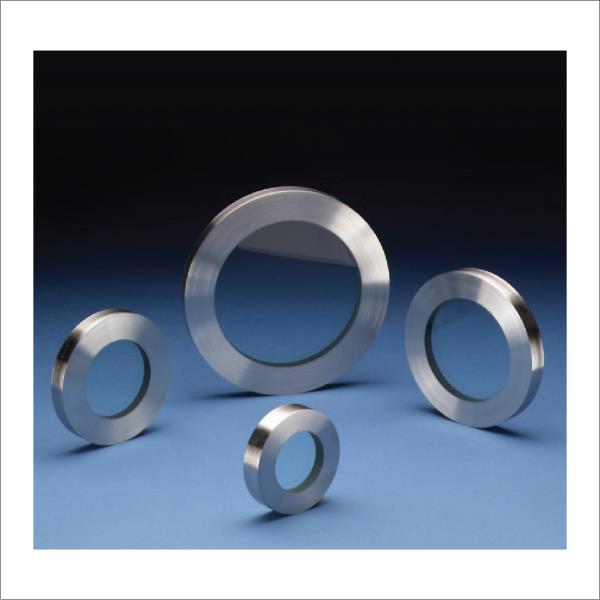
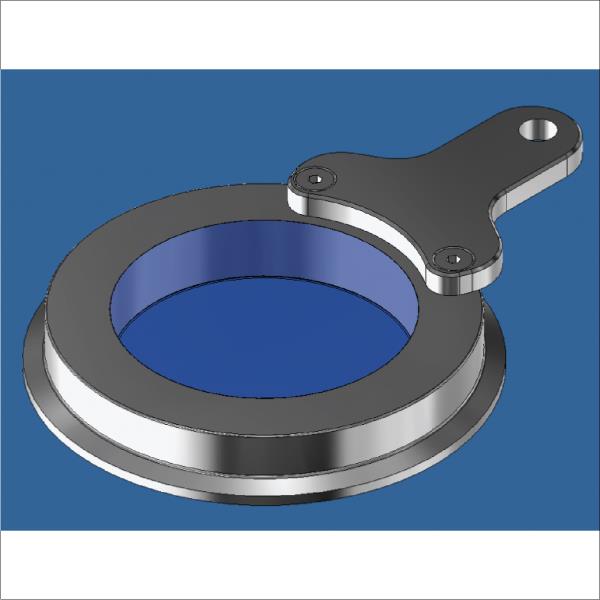
Canty Fuseview™ sight glasses have been engineered to meet all your process and safety needs. Fuseview™ Tri-clamps® are a fused sight glass providing one-piece construction with no additional gaskets or torquing required.
All standard Tri-clamp® Fuseviews™ were designed and tested to ensure the safest product available. With a convenient handle, the sight glass can easily be removed for maintenance.
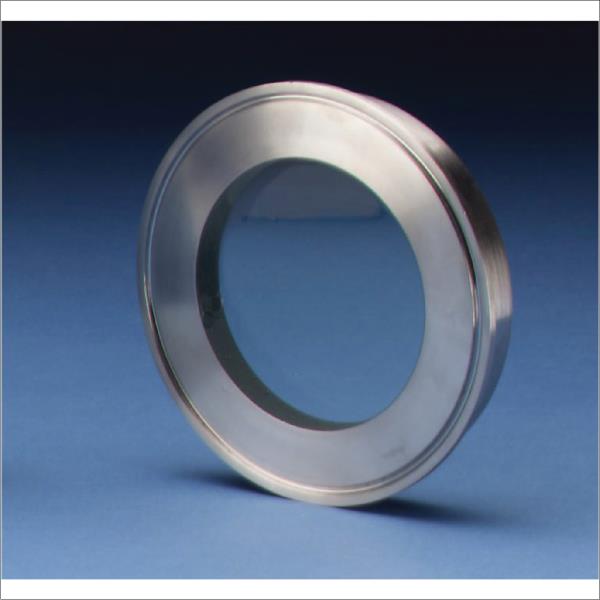
Canty Fuseview™ sight glasses have been engineered to meet all your process and safety needs. Fuseview™ Tri-clamps® are a fused sight glass providing one-piece construction with no additional gaskets or torquing required. All standard Tri-clamp® Fuseviews™ were designed and tested to ensure the safest product available.
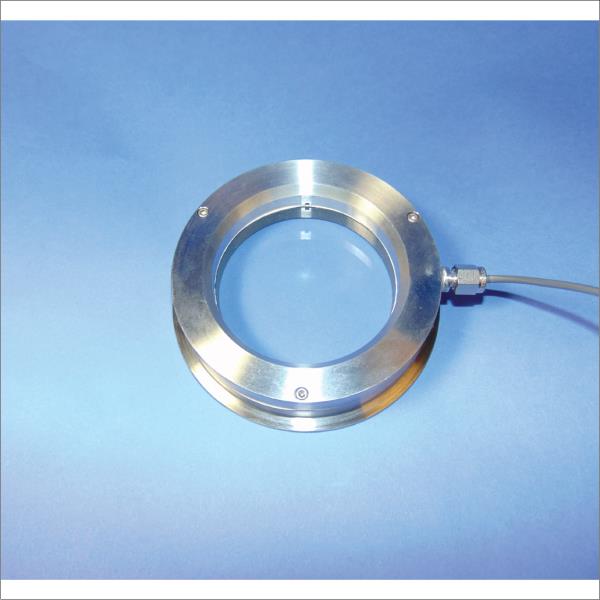
CANTY sight glasses feature the FuseView™ window. Our unique fused glass windows far exceed all conventional tempered glass windows in safety and performance. By fusing glass to metal, a high pressure, high safety, hermetic seal is formed.
What’s more, our windows can easily be removed for cleaning. CANTY windows do not have to be discarded, as do traditional tempered glass windows. The FuseViewCF™ features an integral heater designed to prevent and eliminate condensation. With the FuseViewCF™ you can be assured that your view will not be impeded by fog or vapor.
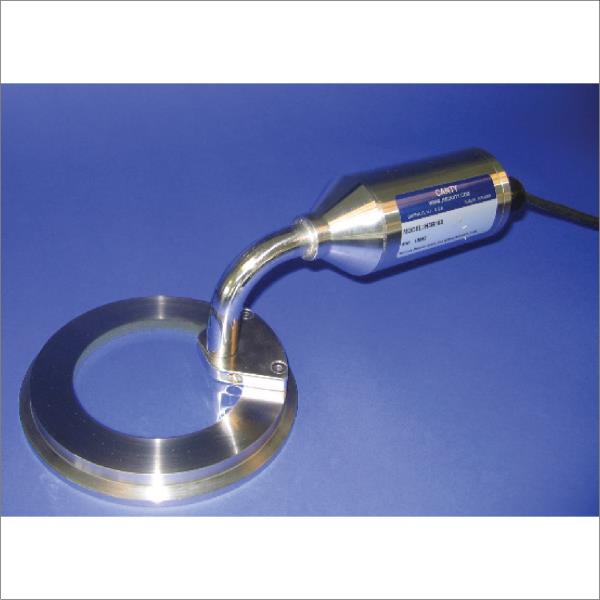
All CANTY sight glasses feature the Fuseview™ window. Our unique fused glass windows far exceed all conventional tempered glass windows in safety and performance. By fusing glass to metal, a high pressure, high safety, hermetic seal is formed. The fused glass technology ensures safety with every Fuseview™. What’s more, our windows can easily be removed for cleaning.
CANTY windows do not have to be discarded as do traditional tempered glass windows. CANTY fused glass windows can be re-used again and again. The added heater feature of the PureViewCF™ prevents condensation from forming on the glass, allowing for a clear view at all times.
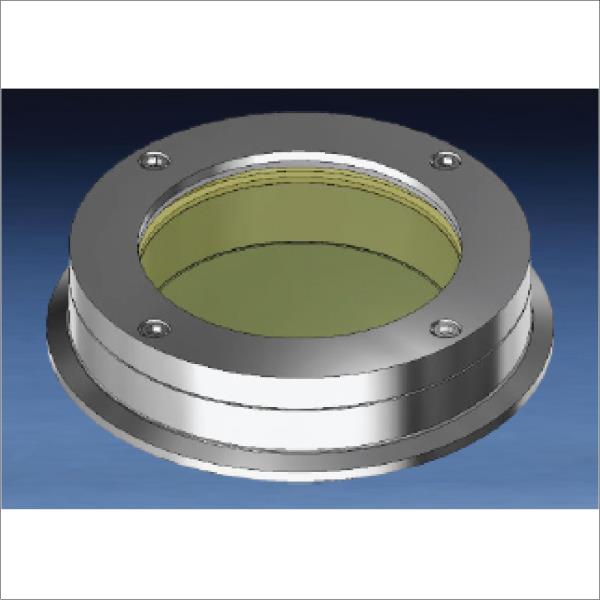
J.M. Canty Fuseview™ sight glasses have been engineered to meet all your hygienic process and safety needs. Fuseview™ Tri-clamps® are a fused sight glass providing a one-piece, flush mount construction. All standard Tri-clamp® Fuseviews™ were designed and tested to ensure the safest product available.
Canty can provide certification of material and testing if required, typical of ASME code requirements for process vessels. Canty Fuseview™ sight glasses are designed in strict compliance to the ASME BPE standard.
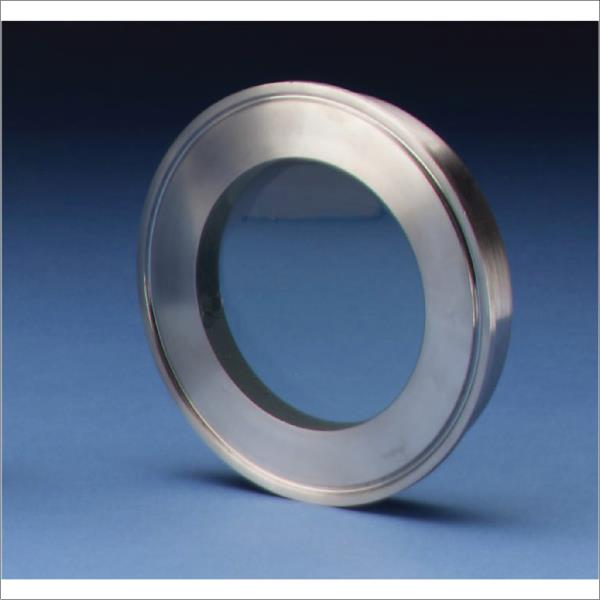
The Canty Advantage:
The Fuseview™ BoroHT Tri-Clamp® sight glasses use the CANTY BoroHT glass. The glass formulation is a special borosilicate glass that conforms within the limits for USP Type 1 Powdered Glass; USP Arsenic, EP Type 1 Glass Grain (Test B) and EP Arsenic as specified in US Pharmacopeia and European Pharmacopeia.
In addition, it passed testing procedures of CIP100 and CIP200 cleaning and SIP cleaning tests at 130°C. BoroHT fused glass is fully compliant with current ASME BPE standards and is a proprietary formulation that fuses to Alloy C, Hastelloy® C276, Hastelloy® C-22® or equal.
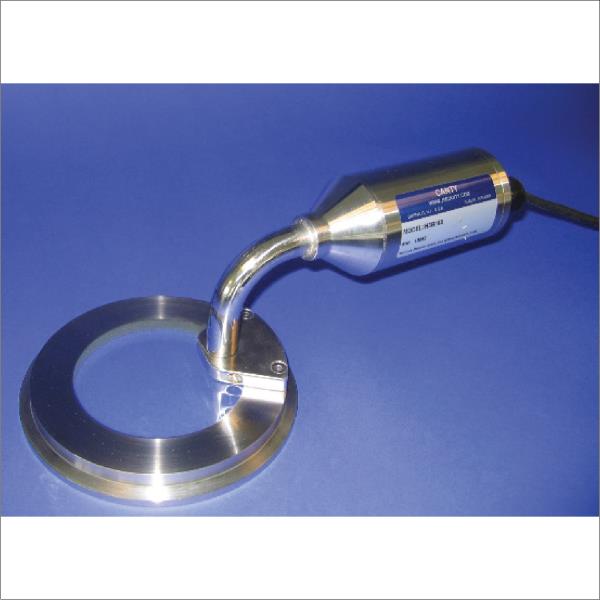
CANTY fiber optic lighting systems have been designed to provide efficient, high LED light in a cost effective package. CANTY uses only high quality, flexible fiber optic light pipes to guide the light from our light source through a sight glass or process connection.
The light is elliptically focused into the fiber optic light pipe and guided through the sight glass minimizing losses while maximizing your tank or vessel lighting!
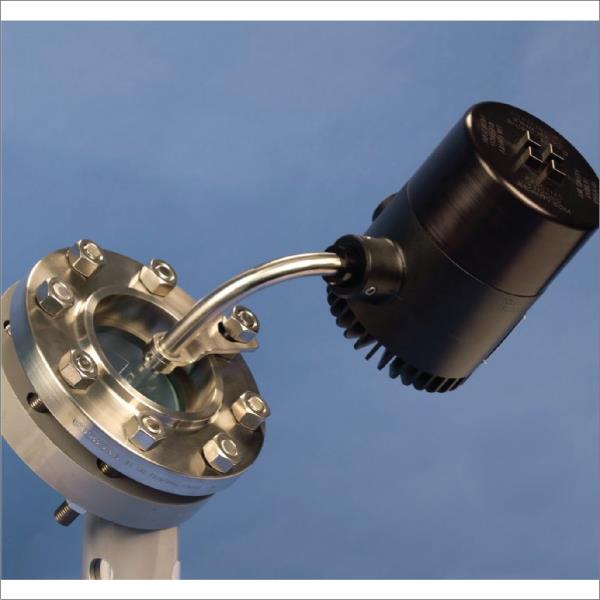
CANTY fiber optic lighting systems have been designed to provide efficient, high output LED light in a cost effective package. CANTY uses only high quality, flexible fiber optic light pipes to guide the light from our light source through a sight glass or process connection.
The light is elliptically focused into the fiber optic light pipe and guided through the sight glass minimizing losses while maximizing your tank or vessel lighting!
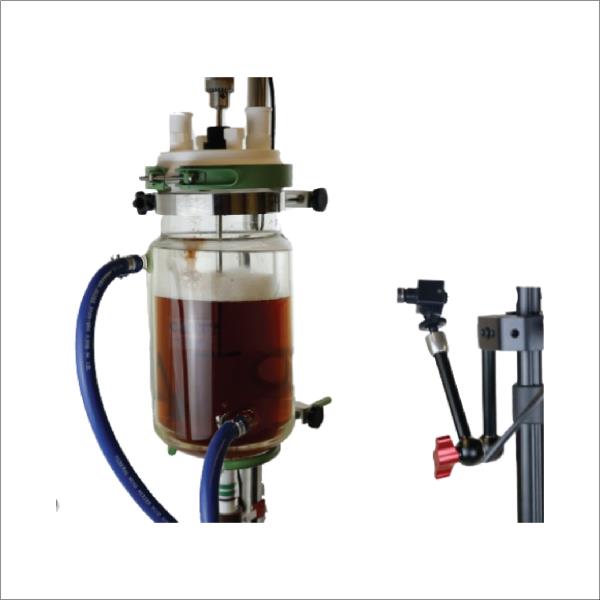
The CANTY LabCam™ is uniquely qualified to view inside your glass lab fermenters and bioreactors and provides a continual control signal allowing the user to meter in antifoam. The LabCam™ is an Ethernet based imaging system which connects to the CANTY VCM™ image processor that determines the percentage of foam on the surface of the liquid. The foam control function allows for significant savings of antifoam, improves process performance in cell culture growth and eliminates the need for additional antifoam fluids in purification.
- Non-Contact foam & level monitoring and control
- Able to use on any size Bench-Top Bioreactor
- Correlates to markings / ruler on side of vessel
- Able to record continuous video feed or batches
- Remote viewing allows for vessel to be run dark
- Ease of use – multiple configurations and easily movable equipment
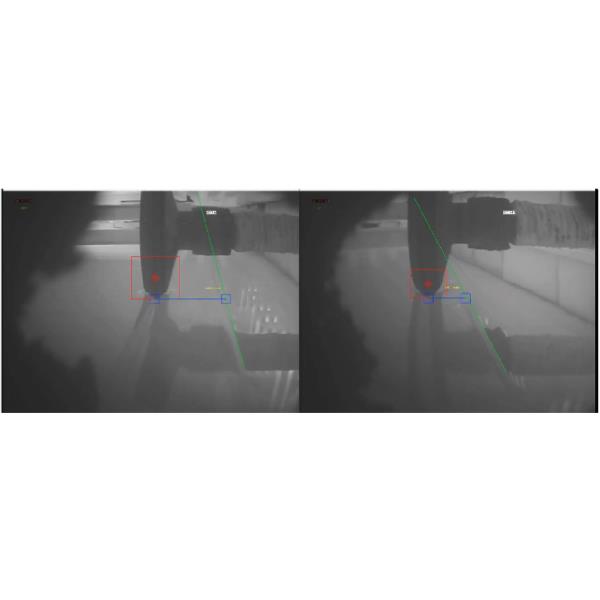
A pair of high temperature cameras are mounted on either side of the float glass line, and positioned to provide a constant view of the gripper wheels as they draw the glass sheet from the tin bath.
Existing analog parascope cameras provide constant visual monitoring, and gripper wheel positional measurement supplied by CantyVision™ software provides greater control, and allows the gripper to operate closer to the glass edge, which minimizes waste and maximizes production.
CantyVision™ software is housed on a robust Vector Control Module which allows for turnkey installation and ease of remote troubleshooting assistance.
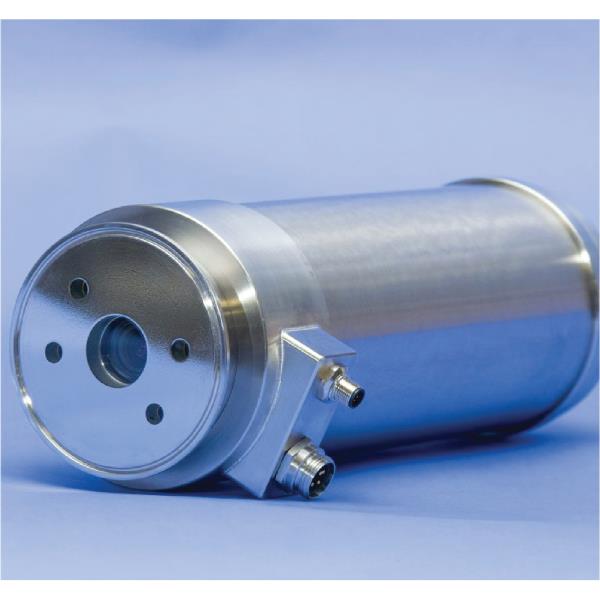
The CANTY BioCam™ is uniquely qualified to view inside your fermenters and bioreactors and provides a continual control signal allowing the user to meter in antifoam. The BioCam™ is an Ethernet based imaging system which connects to the CANTY VCM™ image processor that determines the percentage of foam on the surface of the liquid.
The foam control function allows for significant savings of antifoam, improves process performance in cell culture growth and eliminates the need for additional antifoam fluids in purification. The all in-one design is both compact and sanitary and unlike its predecessors requires no additional external power supply for operation.
A built in heater eliminates condensation from forming on the glass and provides for a clear image at all times. Coupled with CantyVision™ software, the BioCam™ can be used for full control via OPC or 4-20mA.
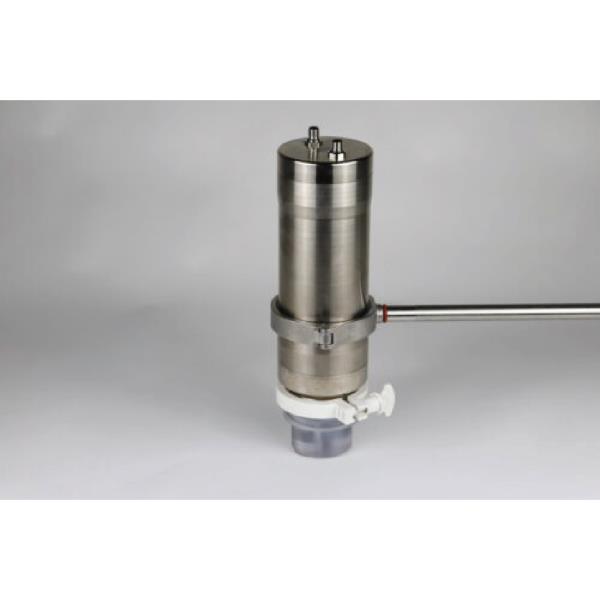
The CANTY S.U.BioCam™ is a process camera engineered and designed for sanitary applications. The S.U.BioCam™ combines the latest in LED lighting with Ethernet camera technology in a streamlined package. The camera utilizes built-in strobe LED light that has been optimized to run efficiently as to not obstruct photosensitive processes. Easy change disposable front caps for each process. Coupled with CantyVision™ software, the S.U.BioCam™ can be used for full control via OPC or 4-20mA.
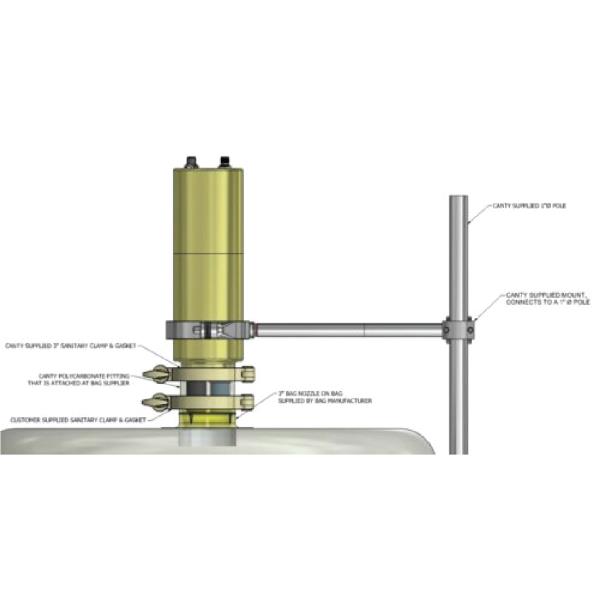
CANTY has designed several single use systems. They include level control, foam monitoring, turbidity, and particle size. The applications all use an Ethernet camera for visual verification and can output either 4-20mA or OPC for complete control.
Single Use Applications
- Level Monitoring
- Foam Control
- Turbidity
- Particle Size Analysis
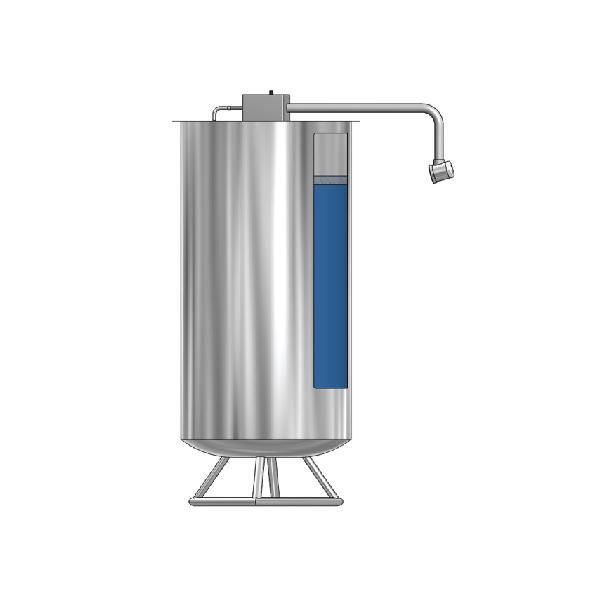
The single use vessel level system from CANTY allows operators to track the level inside a single use container by way of a camera. The allows for non-contact of the product and visual verification of the level. CantyVision™ software can output via 4-20mA or OPC to a PLC or DCS for complete control. The system utilizes the CANTY LED light with fiber optic bundle so the any size bag or container can be accommodated using the same system.
The LED light is a cold white light with no heat transfer to the process so zero effect on the process conditions. Multiple control points can be set to alarm at various stages in the process.
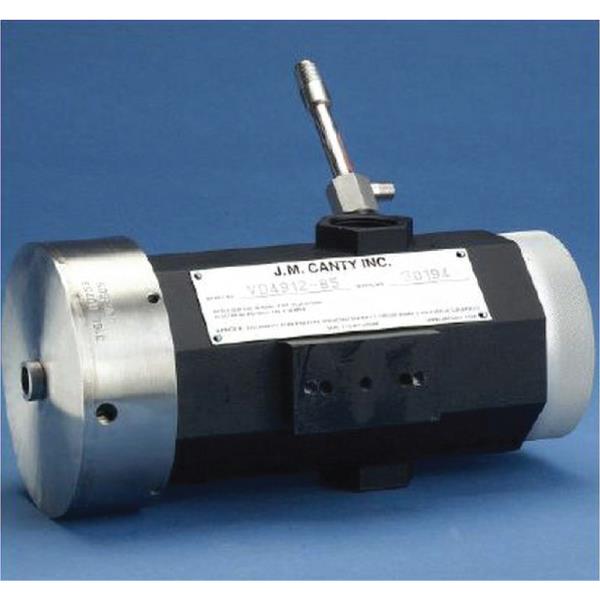
The Canty system consists of a high resolution gigabit Ethernet camera sized to view the entire width of the BATT and angled to optimize the view of the profile. The camera is bracketed above the BATT and coupled with a laser(s) that help to define the profile of the BATT to the CantyVision Industrial Toolbox™ (CVIT) software. The images are brought in over CAT6 Ethernet cable to the Canty Vector Control Module™ (VCM) which hosts the CVIT software to allow for profile analysis and output to control system via OPC, 4-20mA or modbus.
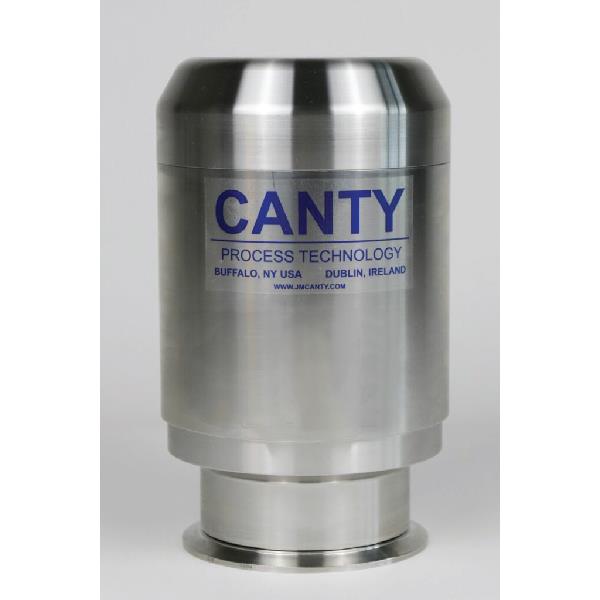
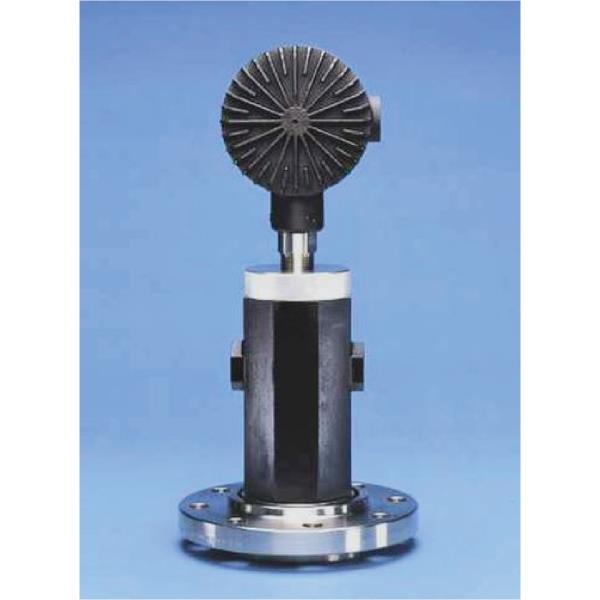
View and illuminate inside a pressure or process vessel through a single connection. Integrally mounted camera and lighting system (optional) in a connection as small as a 2” NPT.
Features:
Provides view into the process with lighting through one location.
150 PSI & 450°F standard capabilities.
Ethernet color high resolution CCD / CMOS camera includes imaging software for analysis of the process.