
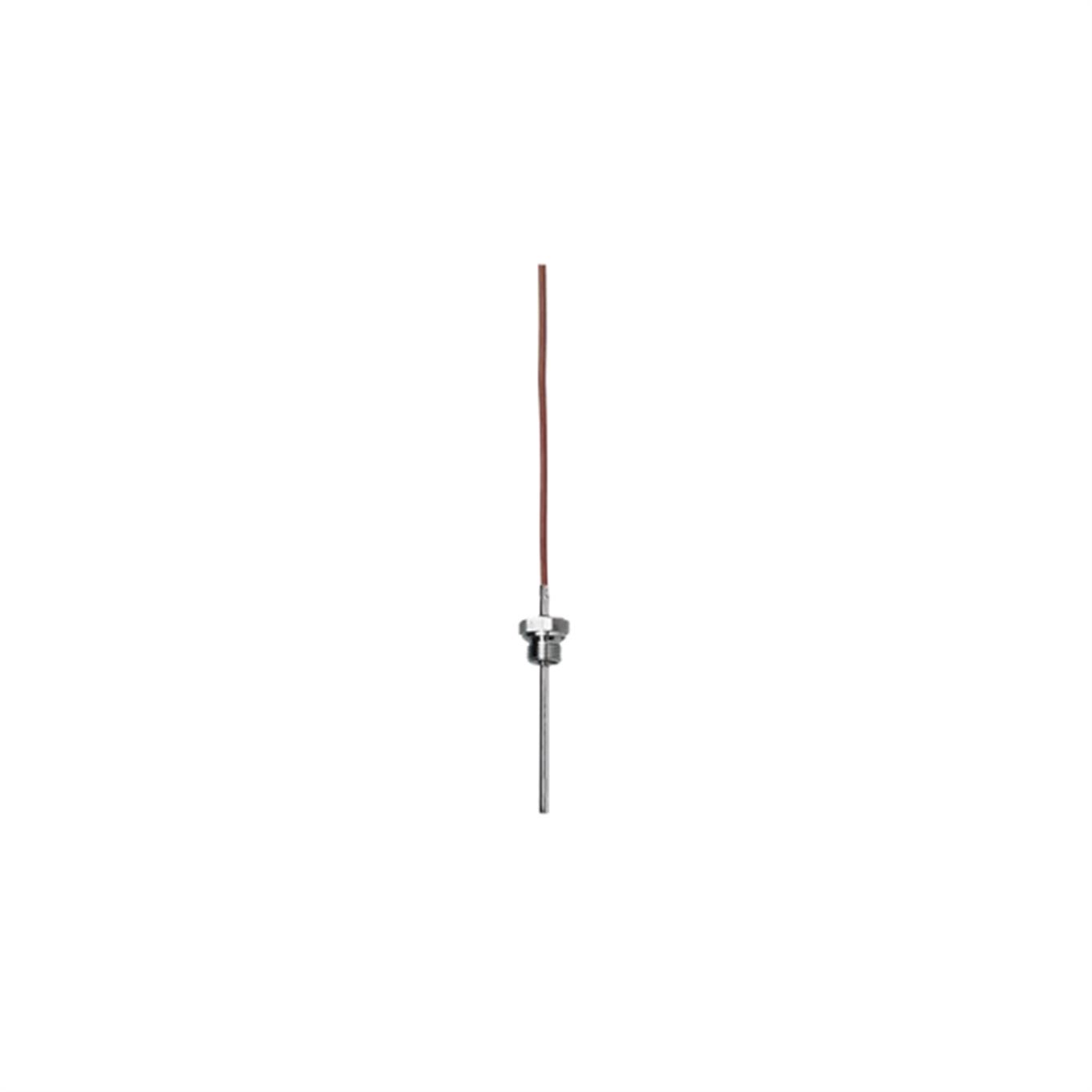
Screw-in thermocouples 901050
With compensating cable
Screw-in thermocouples are primarily used for measuring temperatures in liquids and gases. Depending on the version, the compensating cables are suitable for dry or humid rooms that have a temperature range from -20 to +350 °C.
 |
 |
 |
|
Single and double
thermocouple |
Compensating cable
made of silicon/metal braiding |
Thermocouples
type K and L |
GENERAL TECHNICAL DATA |
| Operating temperature | -200 to +600 °C |
| Thermocouples | L, K |
| Connection | Cable |
| Compensating cable | Silicone, ambient temperature -50 to +180 °C; metal braiding, ambient temperature -20 to +350 °C |
| Protection fitting | Stainless steel |
| Process connection | Thread |
| Measuring circuits | 1/2 |
| Special features | Cable made of silicone, PTFE, metal braiding; meets the specification according to AMS2750 and CQI-9 |
| Option | Non-insulated construction |
| Areas of application | Industrial kitchen equipment suppliers, tempering equipment, plastics industry |
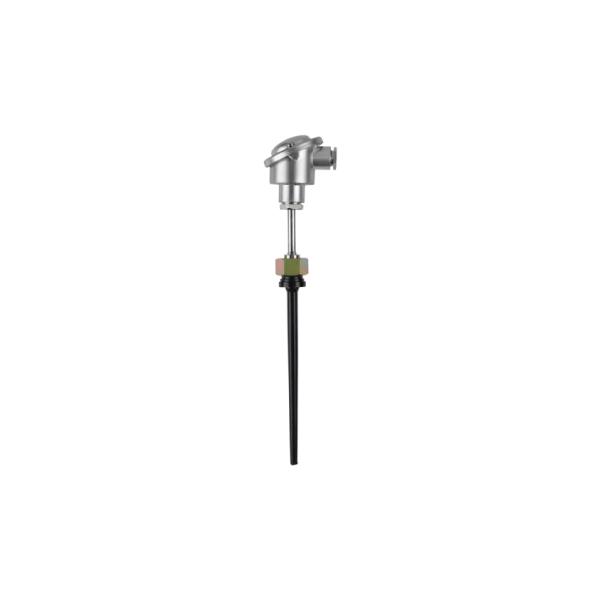
For devices and plants tested according to DIN EN 14597
Screw-in thermocouples are predominantly used for measuring temperature in liquids and gases. Protection tubes made of various materials protect the measuring insert against chemical influences and mechanical damage.
|
 |
 |
|
Single or double
thermocouple |
Use in plants
according to DIN 4754 |
For the media
water, oil, or air |
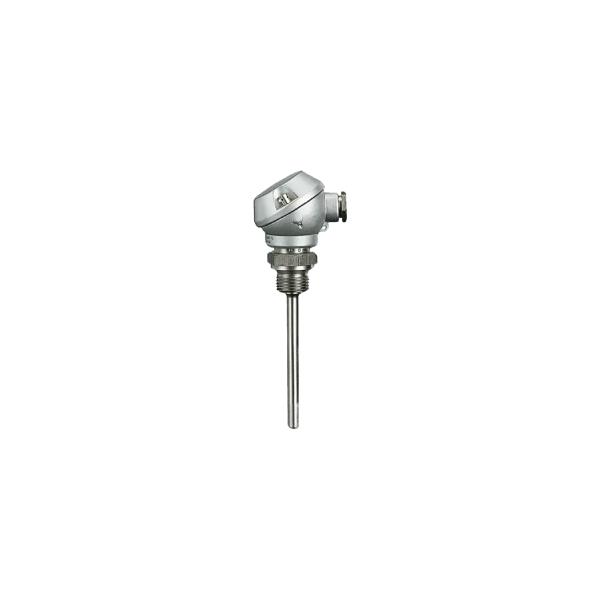
With terminal head form J
Screw-in thermocouples are primarily used for measuring temperatures in liquids and gases. Their installation type enables the formation of reliable seals, both for vacuum and overpressure applications.
|
|
|
|
Single or double
thermocouple |
According to DIN
EN 60584/DIN 43710 |
Insulated or
connected with protection tube |
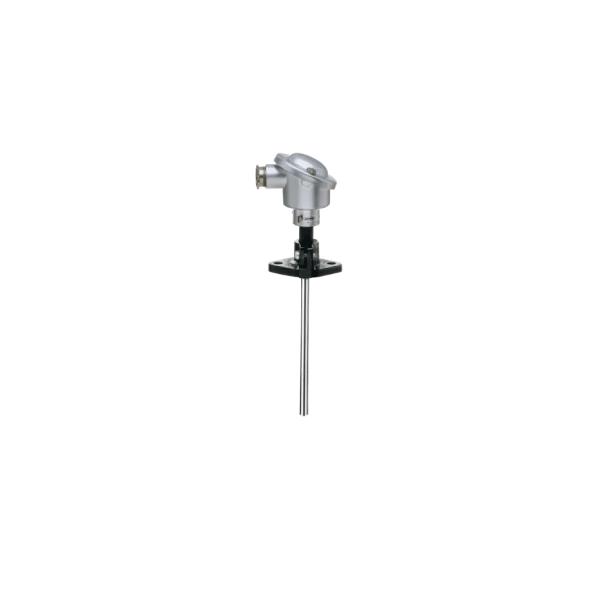
With terminal head form B
Push-in thermocouples are predominantly used for measuring temperatures in liquid and gaseous media. Thermowells made of various ceramic materials and heat-resistant steels protect the measuring insert against chemical influences and mechanical damage.
|
 |
 |
|
Single or double
thermocouple |
Installation location
sealed up to 1 bar |
Transmitter
available |