
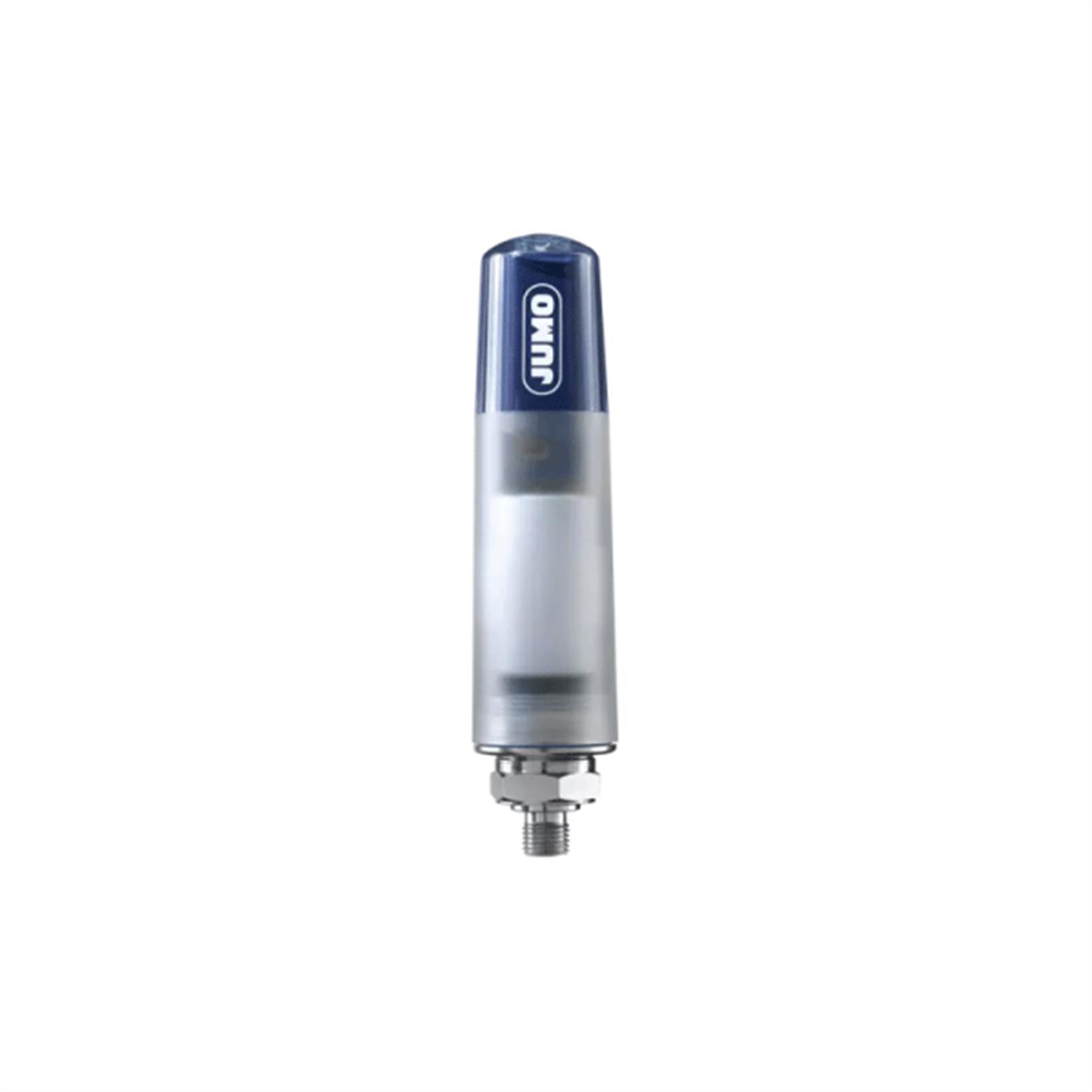
JUMO Wtrans p
Pressure transmitter with wireless data transmission
The product acquires the pressure of liquid or gaseous media in combination with a Wtrans receiver. The measured values on the receiver are provided in a digital format and as an electrical signal. The product is used in instances where laying a cable would be too demanding.
 |
 |
 |
|
Easy-to-use
setup program |
Wireless transmission
up to 300 m |
Linearization
with up to 40 value pairs |
GENERAL TECHNICAL DATA |
| Special features | Frequency: 868.4 MHz; transmission interval: 0.5 to 3600 s; range: up to 300 m when using the receiver's antenna wall-mounting holder and a 3 m antenna cable; voltage supply: 3.6 V lithium battery |
| Input | -1 to +600 bar relative pressure; 0 to 25 bar absolute pressure |
| Process connection | All screw connections that are standard in the industry; NPT; UNF; JUMO PEKA |
| Output | Radio signal to receiver |
| Accuracy (linearity) | 0.2 to 0.3 % |
| Medium temperature | -30 to +85 °C |
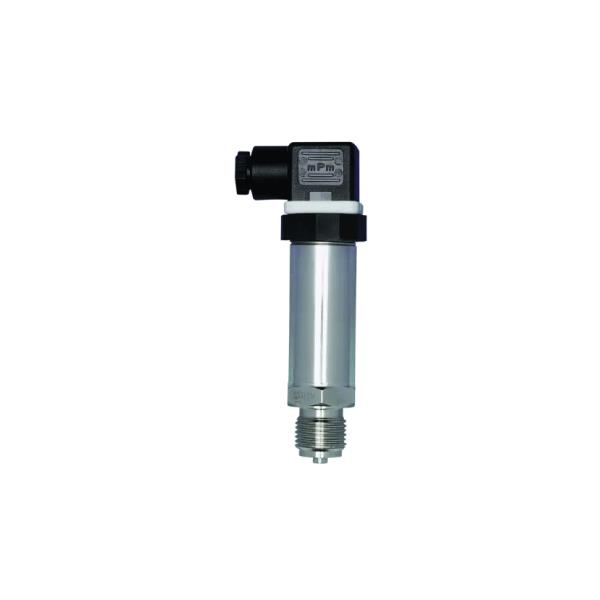
Pressure transmitter
The product records the pressure of liquid and gaseous media according to the piezoresistive or thin-film strain gauge measuring principle. The value is then converted into an electrical signal. The transmitter is suitable for universal use.
 |
 |
 |
|
High degree of
process reliability |
Long-term
stability |
High overload
resistance |
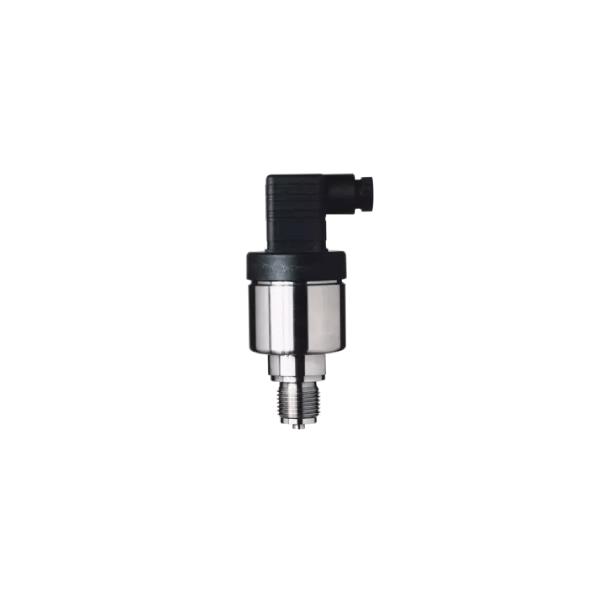
For small measuring ranges
The product acquires the pressure of liquid and gaseous media with the help of a capacitive ceramic sensor. The value is then converted into an electrical signal. The transmitter is used in such fields as medical technology.
 |
|
 |
|
Long-term
stability |
Chemical
resistance |
High overload
resistance |
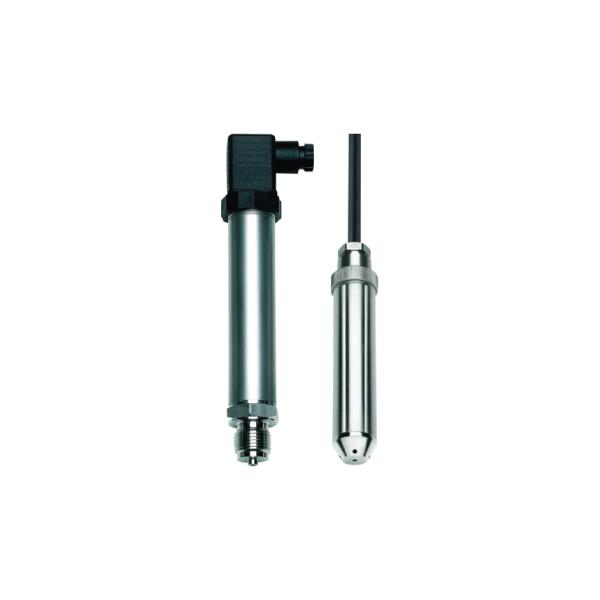
Pressure transmitter and level probe for Ex areas
The product measures the pressure of non-aggressive and aggressive gases, steam, liquids, and dusts on the basis of the piezoresistive measuring principle. It was designed and certified according to ATEX directives. The transmitter is used, among other places, in flour and grain silos.
|
 |
|
|
High overload
resistance |
Numerous process
connections |
Reverse-polarity
protection |